Introduction
If you’ve been searching for natural, non-invasive ways to support your health, chances are you’ve come across PEMF therapy. Short for Pulsed Electromagnetic Field therapy, PEMF has been making waves in the wellness, sports recovery, and holistic health communities.
But what exactly is PEMF therapy? What does it do for the body? Who should avoid it? And is it really effective?
This guide covers everything you need to know — from the science behind PEMF to its success rates, safety precautions, and even cost breakdowns.
What Is PEMF Therapy?
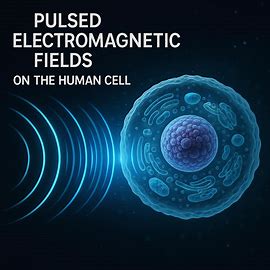
PEMF therapy uses low-frequency electromagnetic fields to stimulate the body’s cells, tissues, and organs.
Think of it like a cellular “recharge.” Your cells naturally carry an electrical potential, but stress, fatigue, injury, or aging can cause them to lose efficiency. PEMF gently delivers pulses of electromagnetic energy, encouraging the cells to reset and function more effectively.
📌 PEMF has been around for decades:
- In 1979, the U.S. FDA approved PEMF devices for non-union bone fractures.
- Since then, research has expanded into circulation, pain relief, post-surgical recovery, and wellness support.
What Does PEMF Therapy Do?
One of the most common search queries is: “What does PEMF therapy do?”
Here’s what the research and real-world use tell us:
1. Boosts Cellular Energy (ATP Production)
PEMF stimulates the mitochondria, your cells’ “power plants,” helping produce more ATP — the molecule that powers every biological function (MDPI Study).
2. Improves Circulation
Magnetic pulses improve microcirculation, allowing blood, nutrients, and oxygen to reach tissues more effectively (NCBI Research).
3. Reduces Inflammation
PEMF activates adenosine receptors, which regulate inflammation, helping calm overactive responses (PubMed).
4. Supports Pain Relief
Clinical studies show PEMF reduces pain in conditions like osteoarthritis, post-surgery recovery, and injury (BMJ Open).
5. Enhances Sleep and Relaxation
PEMF influences the nervous system and brainwave activity, promoting better sleep quality. A double-blind trial found PEMF significantly improved insomnia severity (Frontiers in Neurology).
6. Speeds Recovery
Athletes and fitness enthusiasts use PEMF for muscle recovery and faster bounce-back after training (ResearchGate Study).
How Does PEMF Therapy Work?
- Electromagnetic pulses penetrate the body without discomfort.
- These pulses induce tiny electrical currents in tissues, helping normalize cell function.
- Improved function means more energy, less inflammation, and faster natural repair.
📌 It’s important to note: PEMF doesn’t “heal” directly. Instead, it creates optimal conditions for the body to heal itself.

Who Should Not Use PEMF Therapy?
While PEMF is considered safe for most, some groups should avoid it or only use it under medical supervision. If you’re asking “Who should not use PEMF therapy?” here’s the list:
- People with implanted electronic devices (pacemakers, defibrillators, insulin pumps, cochlear implants)
- Pregnant women (safety data is limited)
- People with uncontrolled epilepsy or seizure disorders
- Those with active bleeding disorders
- Organ transplant recipients (to avoid immune stimulation)
👉 Always consult your healthcare provider if you have chronic conditions or implanted devices before using PEMF therapy.
What Is the Success Rate of PEMF Therapy?
Another highly searched question: “What is the success rate of PEMF therapy?”
The answer depends on the condition, device quality, and consistency of use. Here’s what studies show:
- Bone healing: FDA-approved PEMF devices report 70–90% success rates in treating non-union fractures (FDA report).
- Osteoarthritis: Clinical trials show improved function and reduced pain compared to placebo (BMJ Open).
- Insomnia: Randomized controlled trials report significant improvement in sleep quality and duration (Frontiers in Neurology).
- Recovery and fatigue: Athlete studies report quicker muscle recovery and lower fatigue levels with consistent PEMF use (ResearchGate).
📌 In general, success rates improve dramatically with consistent daily sessions (10–30 minutes over weeks), rather than one-off treatments (PMC Study).
How Much Does PEMF Therapy Cost?
If you’re searching “How much does PEMF therapy cost?”, the answer varies depending on delivery method:
1. In-Clinic PEMF Sessions
- Cost: £40–£100 ($50–$120) per session
- Packages of 10 sessions often run £400–£800
2. Home PEMF Devices
- PEMF Mats: £400–£2,500 depending on size & intensity
- PEMF Headsets & Goggles: £150–£500
- PEMF Wands: £100–£400
- PEMF Pet Mats: £200–£600
👉 While home devices have a higher upfront cost, they offer long-term savings versus repeated clinic visits.
What Are the Side Effects of PEMF Therapy?
Most people tolerate PEMF well, but mild, temporary reactions can include:
- Slight fatigue
- Tingling or warmth in treated areas
- Mild headache or nausea if overused at first
These typically pass quickly. To minimize effects, start with shorter sessions (10–15 minutes) and increase gradually.
Comparing PEMF Therapy to Other Modalities
- PEMF vs. TENS: TENS uses electrical currents on the skin for pain relief. PEMF uses magnetic fields for cellular energy and circulation — broader in effect.
- PEMF vs. Red Light Therapy: Both improve cellular energy, but via different mechanisms (light vs. magnetic fields). Many wellness seekers combine them.
- PEMF vs. Medications: PEMF is non-drug, non-invasive, and has no systemic side effects.
What to Expect from PEMF Therapy
Short-term (1–2 sessions): relaxation, calm, possible better sleep.
Medium-term (2–4 weeks): reduced stiffness, improved recovery, more energy.
Long-term (2–3+ months): better mobility, overall wellness, and sustainable energy.
Consistency is the key — PEMF therapy works best as a daily wellness practice.
FAQs Recap
- What does PEMF therapy do?
It boosts cellular energy, circulation, and recovery while reducing inflammation. - Who should not use PEMF therapy?
Those with implants, pregnancy, uncontrolled seizures, bleeding disorders, or organ transplants. - What is the success rate of PEMF therapy?
70–90% in FDA-approved bone healing, strong evidence for arthritis, insomnia, and recovery. - How much does PEMF therapy cost?
£40–£100 per clinic session or £150–£2,500 for home devices.
Conclusion
So, what is PEMF therapy? It’s a science-backed, non-invasive way to recharge your cells, improve circulation, and support recovery.
- It has proven success in bone healing and arthritis, growing evidence in sleep and stress, and strong anecdotal support across wellness communities.
- It’s generally safe, but not for everyone — always consult your doctor if in doubt.
- It can be cost-effective long term, especially with at-home devices.
👉 The bottom line: PEMF therapy is a powerful complement to modern wellness — natural, safe, and future-ready.
References (10 Links)
- FDA Approval for PEMF (Bone Healing)
- MDPI: PEMF & Mitochondrial ATP
- NCBI: PEMF & Circulation
- PubMed: PEMF Neural Modulation
- BMJ Open: PEMF in Osteoarthritis
- Frontiers: PEMF for Insomnia
- ResearchGate: PEMF Recovery Study
- PubMed: PEMF Pain Relief in Surgery
- PMC: PEMF Long-Term Consistency Study
- Health Rising: User PEMF Experiences