Traumatic brain injury (TBI), concussions, and other forms of brain trauma can change lives in an instant. Recovery often involves a long journey of rehabilitation, therapy, and adaptation. Patients and caregivers frequently ask: “Is there anything else that can help?”
Among newer approaches, PEMF (Pulsed Electromagnetic Field therapy) has attracted attention as a non-invasive, drug-free method that may support neurological health, circulation, and cellular recovery. But what does the science really say? Is it safe to use PEMF on the head? And how does it compare with established therapies for TBI?
This article explores the latest insights on PEMF for brain injury, including benefits, safety, precautions, and how it may fit into a comprehensive recovery plan.
What Is PEMF?
PEMF stands for Pulsed Electromagnetic Fields. It’s a form of therapy where low-frequency magnetic pulses are applied to the body to influence cells, tissues, and nerves. Unlike static magnets, PEMF delivers pulses of energy that interact with cell membranes and mitochondria, promoting cellular balance and recovery.
📌 PEMF has been FDA-cleared for bone healing and post-operative pain/edema, showing decades of safe clinical use (FDA documentation). Research is expanding into neurological conditions, including depression, Parkinson’s, and now, brain injury.
Why the Brain May Benefit from PEMF
The brain consumes nearly 20% of the body’s energy, even though it only makes up about 2% of body weight. After injury, the brain often experiences:
- Reduced circulation
- Inflammation and swelling
- Cellular energy deficits
- Impaired signaling between neurons
PEMF is thought to help by:
- Improving microcirculation and oxygen delivery (NCBI)
- Stimulating mitochondrial ATP production (MDPI study)
- Modulating neuroinflammation (PubMed)
- Supporting neuroplasticity, the brain’s ability to reorganize and form new connections
PEMF and Brain Injury: What the Research Shows
While research is still early, several studies suggest PEMF may support recovery in cases of traumatic brain injury (TBI) or concussion:
- Neuroinflammation modulation: Experimental models show PEMF can reduce markers of inflammation and support brain tissue healing (Frontiers in Neuroscience).
- Neurogenesis and plasticity: Low-frequency PEMF has been shown to stimulate neural stem cells and support regeneration pathways (PubMed).
- Mood and cognition: PEMF has been studied in depression and anxiety with encouraging results for mood and mental clarity (PubMed).
- Sleep improvement: Since many TBI patients suffer from poor sleep, PEMF’s documented ability to support circadian rhythms may indirectly aid recovery (Frontiers in Neurology).
How Can I Speed Up Recovery from Brain Injury?
This is one of the most asked questions after TBI. While no single therapy guarantees rapid recovery, a combination of strategies works best:
- Medical care and monitoring — CT/MRI scans, neurological assessments, medications if needed
- Physical rest & pacing — avoiding overstimulation and screen overload in early stages
- Nutritional support — omega-3 fatty acids, antioxidants, hydration
- Rehabilitation therapies — physical, occupational, cognitive, and speech therapy
- Adjunctive wellness tools — like PEMF, meditation, red light therapy, or neurofeedback
👉 PEMF is not a cure, but as a supportive adjunct, it may enhance circulation, reduce inflammation, and help with sleep and focus—all critical in brain recovery.
What Is the Best Therapy for TBI?
There isn’t a single “best” therapy—it’s usually a multimodal approach. The most evidence-based TBI therapies include:
- Acute medical care for stabilization
- Cognitive rehabilitation (memory, attention, problem-solving exercises)
- Physical therapy for balance and coordination
- Speech therapy for communication issues
- Psychological support (counseling, CBT, group therapy)
- Adjunctive technologies like PEMF, hyperbaric oxygen therapy, or transcranial magnetic stimulation (TMS) in some cases
PEMF is attractive because it is non-invasive, safe, and can be self-administered at home as part of a long-term wellness routine.
Can PEMF Be Used on the Head?
Yes — PEMF can be applied to the head, but the parameters matter:
- Low-intensity PEMF devices designed for wellness use are considered safe for home use.
- Clinical-grade devices (such as rTMS) use much stronger pulses under medical supervision.
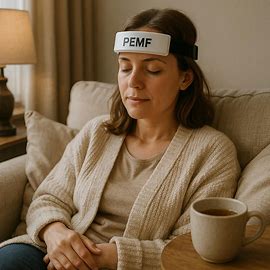
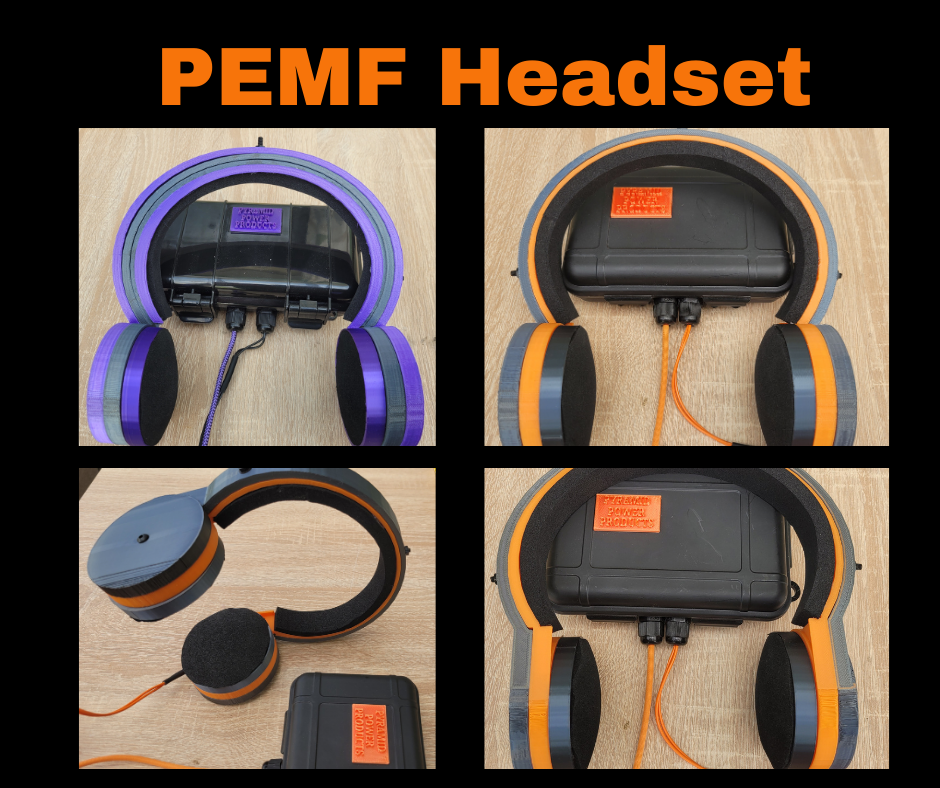
- PEMF headsets and goggles are now commercially available for relaxation, focus, and sleep support.
👉 For brain injury recovery, PEMF should be used gently and consistently, ideally alongside professional guidance.
When Should You Not Use PEMF?
PEMF is safe for most people, but there are important contraindications. You should avoid PEMF if you:
- Have implanted electronic devices (pacemaker, defibrillator, cochlear implant)
- Are pregnant (not enough safety research)
- Have active bleeding or blood clotting disorders
- Have uncontrolled epilepsy (consult a neurologist first)
- Have a recent organ transplant (immune system considerations)
Always check with a healthcare provider before starting PEMF for brain injury.
Potential Side Effects of PEMF
Most people experience no side effects when using PEMF properly. Some report temporary, mild effects such as:
- Tingling or warmth at the application site
- Temporary fatigue
- Mild headache or dizziness (especially early on)
These usually resolve quickly. If symptoms persist, reduce session time or frequency.
How to Use PEMF for Brain Injury Recovery
- Start small: Begin with 10-minute sessions, once daily.
- Consistency matters: Gradually build to 20–30 minutes, 4–7 days a week.
- Choose timing: Evening sessions may improve sleep; daytime sessions can support focus and calm.
- Pair with rehab: Use PEMF before or after cognitive/physical therapy to enhance outcomes.
- Monitor progress: Keep a journal of sleep, mood, headaches, and energy levels.
Real-World Anecdotal Evidence
Beyond clinical trials, many people share positive experiences with PEMF after concussion or TBI:
- Athletes report quicker return to play after concussions.
- Veterans describe reduced headaches and better sleep with PEMF headsets.
- Caregivers note calmer moods and improved attention in family members after consistent use.
(See communities like Health Rising PEMF Reports and Reddit biohacking forums).
The Future of PEMF in Brain Injury Care
While PEMF for brain injury is still under investigation, the early data is promising. Clinical research is expanding, especially as interest grows in non-drug, non-invasive recovery tools. In the future, PEMF may become a standard adjunct alongside physical therapy, cognitive rehabilitation, and mindfulness training.
Conclusion
PEMF for brain injury represents an exciting frontier in holistic recovery. While it’s not a standalone cure, research suggests it may support circulation, reduce inflammation, and improve sleep and focus—all essential for brain healing.
To recap the big questions:
- How can I speed up recovery from brain injury? By combining rest, rehab, nutrition, and supportive tools like PEMF.
- What is the best therapy for TBI? A multimodal approach—medical, cognitive, physical, and adjunctive.
- Can PEMF be used on the head? Yes, with low-intensity wellness devices and professional guidance.
- When should you not use PEMF? If you have implants, are pregnant, have uncontrolled epilepsy, active bleeding, or a recent transplant.
👉 If you or a loved one is on the road to brain recovery, PEMF may be worth exploring as part of a safe, comprehensive plan.
References (10 links)
- FDA PEMF Device Approval
- NCBI: PEMF & Circulation
- MDPI: PEMF Stimulates ATP Production
- PubMed: PEMF & Neuroinflammation
- Frontiers in Neuroscience: PEMF & Brain Repair
- PubMed: Neural Stem Cells & PEMF
- Frontiers in Neurology: PEMF & Sleep
- ResearchGate: PEMF & Athletic Recovery
- Health Rising: User Experiences
- Reddit Anecdotal Reports on PEMF