
Dog PEMF Mat: A Complete Guide to Benefits, Science & Smart Use
Introduction
If you’re exploring wellness tools for your canine companion, you may’ve come across PEMF mats—devices that use Pulsed Electromagnetic Field (PEMF) therapy to aid recovery, reduce pain, support mobility, and enhance overall quality of life. In this guide, we’ll demystify how Dog PEMF Mats work, examine evidence-based benefits, highlight key studies, and help you decide whether it’s right for your pup.
What Is a Dog PEMF Mat?
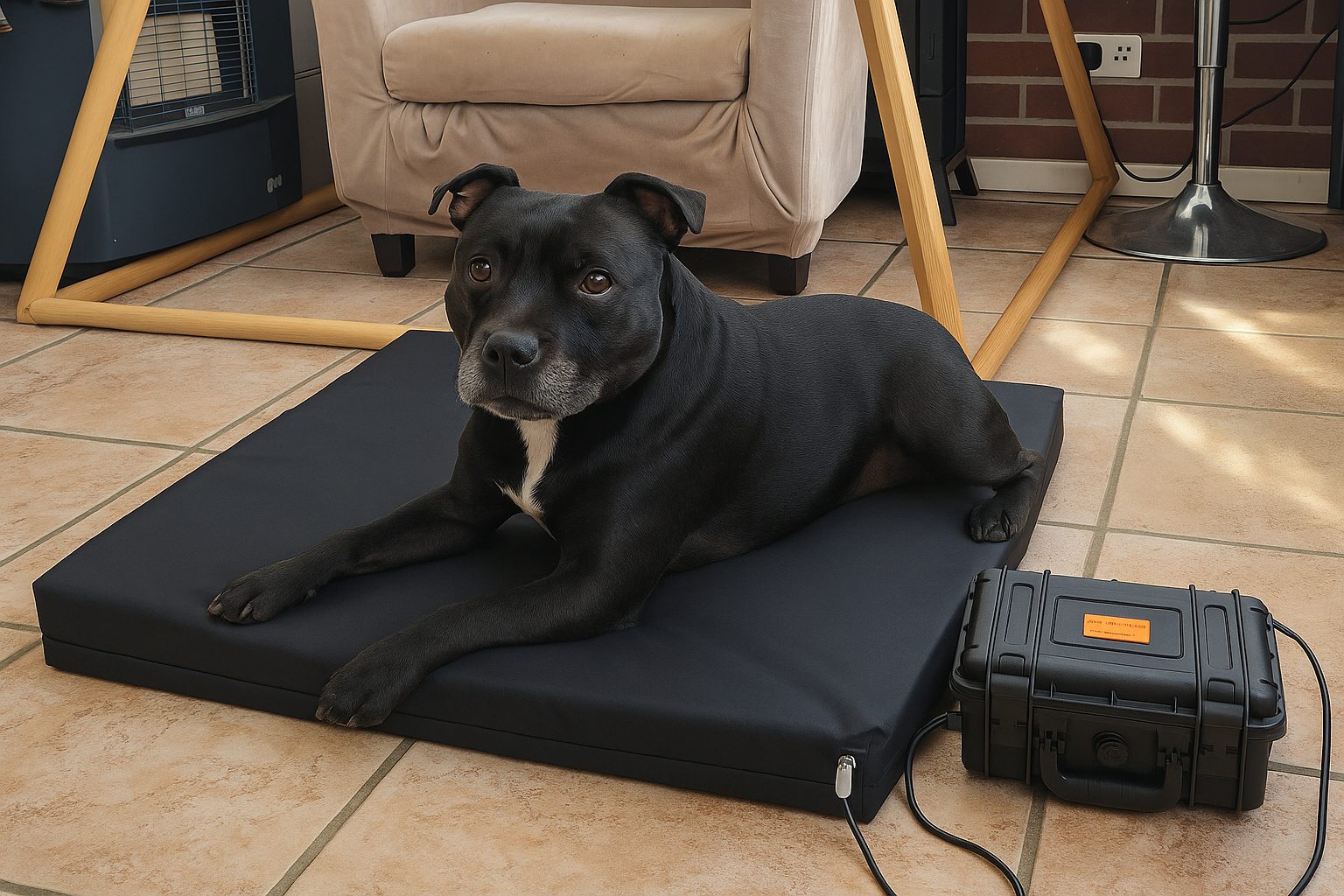
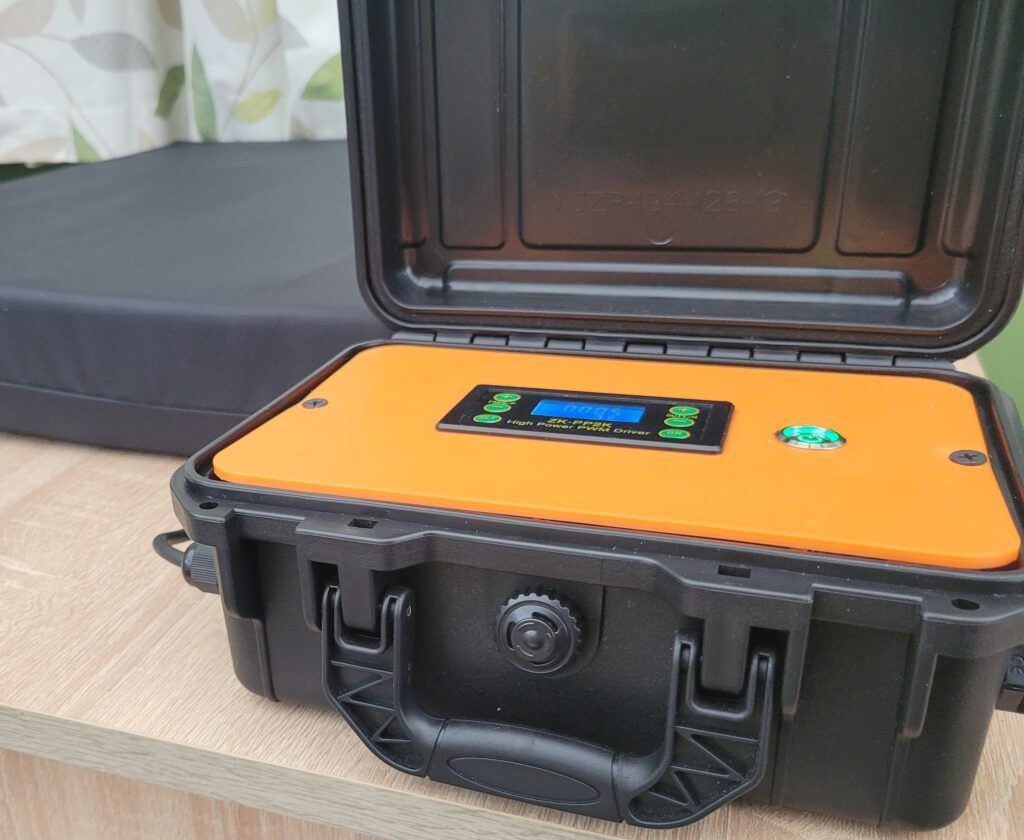
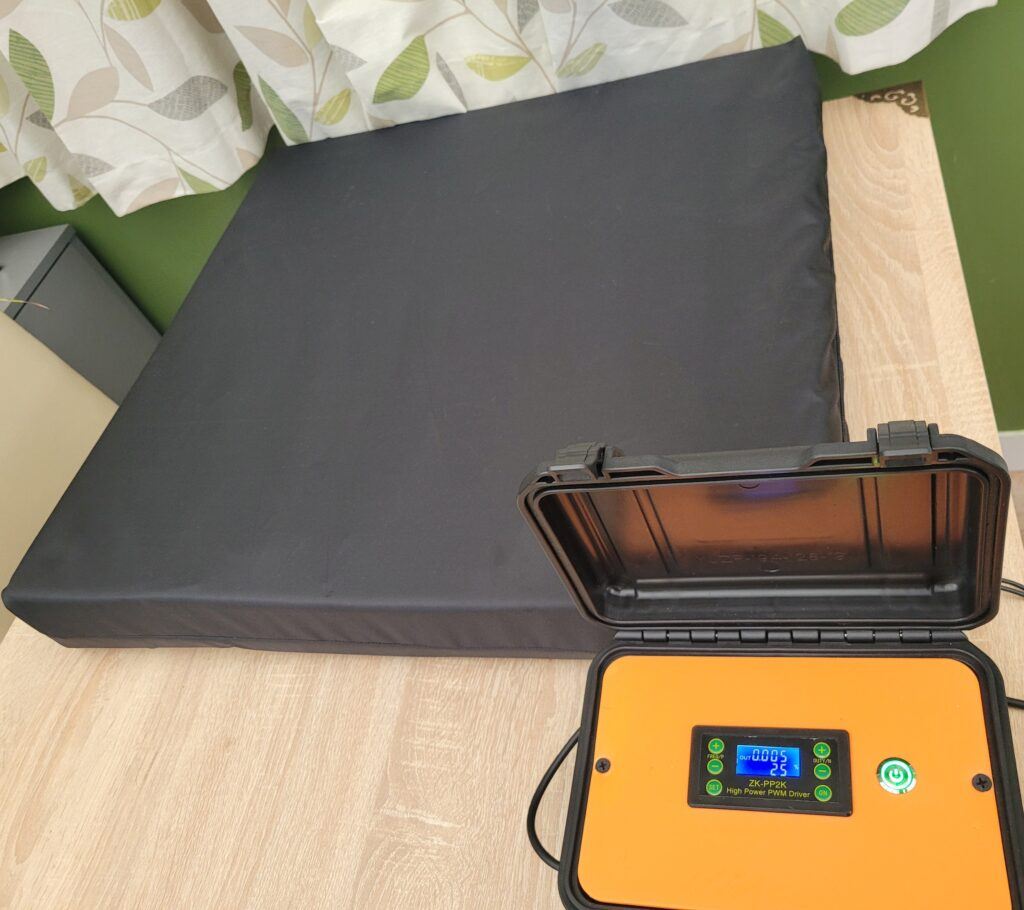
A Dog PEMF Mat is a pet‑specific adaptation of the human PEMF mat, consisting of coils embedded in a soft pad that emits low-frequency electromagnetic pulses through a dog’s body when they lie upon it. These pulses subtly stimulate cells and tissues, potentially promoting:
- circulation
- cellular repair
- anti-inflammatory signaling
- overall relaxation
Veterinary clinics and owners use them as a non-invasive, low-risk adjunct for conditions like osteoarthritis, post‑surgical recovery, nerve injury, and even behavioral challenges like separation anxiety.
Evidence-Backed Benefits for Dogs
Below are the most compelling, peer-reviewed findings about PEMF therapy in dogs:
1. Improved Quality of Life & Joint Function in Canine Osteoarthritis
A randomized, double‑blind, placebo‑controlled 14‑day study on dogs with osteoarthritis showed a 44% reduction in owner‑reported discomfort and a significant increase in passive range of motion (PROM) compared to placebo, with results appearing within eight days (PMC, Dr. Buzby’s ToeGrips for Dogs).
2. Enhanced Post-Surgical Recovery (Spinal Surgery)
In dogs undergoing hemilaminectomy for intervertebral disc disease, PEMF therapy significantly improved wound healing scores at 6 weeks and reduced the frequency of pain medication intake during the first week post-op compared to controls (PubMed).
3. Modest Immediate Effects on Hip Osteoarthritis Gait
A 2024 crossover study examined the impact of a single PEMF session on dogs with hip OA. It found a statistically significant change in stride length, yet no clear improvement in owner‑assessed pain or gait metrics immediately post-treatment (BioMed Central). This suggests more benefit may come from repeated sessions rather than one-off treatments.
4. Broader Veterinary Use & Biological Rationale
A 2018 review highlights that PEMF is increasingly used in veterinary medicine—for bone healing, wound repair, osteoarthritis, inflammation, postoperative pain, and edema—with a growing understanding of its mechanisms and safety profile (PubMed).
5. Behavior & Separation Anxiety
Emerging research shows promising results: in a pilot study, canine behavioral symptoms of separation anxiety improved markedly. In a 2021 randomized, placebo‑controlled trial (Calmer Canine device), 50% of pet owners reported full resolution of anxiety symptoms after six weeks of treatment—unprecedented for a device intervention (assisi.zomedica.com).
6. Other Reported Benefits & Mechanisms
Veterinary experts propose that PEMF aids areas such as joint support, wound healing, muscle fatigue, and general wellness, by improving circulation, reducing inflammation, and supporting cellular function (Dr. Buzby’s ToeGrips for Dogs). That said, some veterinary sources note that solid clinical consensus remains limited, given variability in device settings and treatment protocols (Vca).

Summary of Results & What Owners Can Expect
| Condition | Evidence Strength | Observed Benefits |
|---|---|---|
| Osteoarthritis / joint pain | Strong (clinical RCT) | Improved comfort, increased mobility (PROM increase) |
| Post‑surgical (spinal wound) | Strong (RCT) | Better wound healing, reduced analgesic needs |
| Hip OA (single session) | Mixed (RCT) | Some gait change; no immediate pain relief |
| Separation anxiety (behavior) | Emerging but promising | Up to 50% full resolution of signs in some studies |
| General wellness / muscle / wound | Anecdotal/preclinical + vet reports | Proposed via cellular mechanisms; still need more study |
Why Choose a Dog PEMF Mat Over Other Options?
Veterinary PEMF devices come in two main varieties:
- Targeted devices (e.g., Assisi Loop): applied to specific areas for short durations (e.g., 15 min twice daily). Good for acute injuries or localization (BioMed Central, Dr. Buzby’s ToeGrips for Dogs, Canine Arthritis Resources and Education).
- Non‑targeted mats: cover the whole body and are designed for longer, whole‑body sessions—especially useful for chronic, multi-joint issues like osteoarthritis or general wellness (Canine Arthritis Resources and Education).
Mats tend to be more expensive—but they allow gentle, full-body exposure and more frequent home use.
How to Use a Dog PEMF Mat: Best Practices
- Consult Your Veterinarian
Before starting PEMF, especially if your dog has heart implants, is pregnant, has epilepsy, or other conditions. VCA’s guidance states that benefits vary by signal parameters and application quality (Vca). - Start with Short Sessions
Begin with about 10–15 minutes, once or twice daily. Observe your dog’s comfort level before increasing duration. - Consistency Matters
Clinical benefits (like improved PROM or wound healing) typically appear within days to weeks of routine use (Pulse PEMF). - Focus on the Problem Area
- For joint pain/OA: have the mat in a quiet resting space to encourage daily use.
- For post‑operative healing: follow your vet’s guidance—in clinical studies, sessions began promptly and continued consistently (Canine Arthritis Resources and Education).
- For separation anxiety: consider evening or resting sessions; the Calmer Canine study showed results over weeks with continued use (assisi.zomedica.com).
- Pair with Other Therapies
Combine PEMF with physical therapy, controlled exercise, weight management, and nutrition for best results. - Watch for Any Changes
Track pain levels, mobility, mood, or wound appearance. Note improvements in comfort, reduced medication needs, or wound healing.
What to Look for When Buying a Dog PEMF Mat
- Clear specifications: frequency, intensity, and waveform transparency.
- Veterinary design: mats sized for dog breeds; easy to clean.
- Adjustable programs: user-friendly, repeatable sessions.
- Safety features: certifications, auto-shutoff, material safety.
- Support & trial options: return policies or trial periods give flexibility.
Frequently Asked Questions (FAQs)
Is PEMF therapy proven safe for dogs?
Yes—studies show no adverse effects in canine clinical trials, including osteoarthritis and post‑op studies (PMC). Still, avoid use with pacemakers or on pregnant dogs without vet approval (Vca).
How soon will I see results?
Owners in osteoarthritis studies reported noticeable improvement as early as Day 8 of consistent use (PMC). Post‑operative benefits also became clear within the first week (less pain medication) and weeks for wound healing (PubMed). Behavioral gains (like reduced separation anxiety) showed up over weeks (assisi.zomedica.com).
Can PEMF replace medications like NSAIDs?
PEMF is best used as an adjunct, not a replacement. Some studies show PEMF may reduce analgesic needs—but always coordinate with your vet for multimodal pain management (PubMed, Canine Arthritis Resources and Education).
Does one session help, or is consistency key?
Single sessions often yield modest or no measurable immediate effects (e.g. hip OA study) (BioMed Central). Regular, repeated use is more likely to deliver meaningful benefits.
Is PEMF therapy widely accepted in veterinary medicine?
Yes—it is gaining traction. The 2018 veterinary review underscores growing adoption for bone, wound, inflammatory, post‑op and pain conditions. Still, vets recognize variability in devices and advocate for evidence‑based use (PubMed).
Conclusion: Is a Dog PEMF Mat Right for Your Pup?
Consider a Dog PEMF Mat if your dog:
- Suffers from chronic joint pain or osteoarthritis
- Is recovering from surgery and needs gentle, supportive healing
- Shows signs of separation anxiety or stress-related behavior
- Could benefit from gentle, supportive adjunct therapy at home
Expected benefits (with consistent use):
- Increased comfort and mobility (PROM improvements)
- Accelerated wound healing and reduced analgesic reliance after operations
- Behavioral improvements including reduced anxiety in some dogs
- Overall enhanced quality of life and well‑being
Reminder: PEMF mats are not magical cures, but they’re a safe, non-invasive complement to vet care, physical therapy, and lifestyle management. The evidence is solid in some areas, emerging in others—and best when you use it consistently and smartly.
Key Scientific Studies Referenced
- Osteoarthritis study (14‑day RCT): 44% reduction in discomfort and increased PROM in dogs with OA (PMC)
- Post‑spinal surgery healing (hemilaminectomy): Improved wound healing and reduced pain meds (PubMed)
- Single-session hip OA study (2024): Some gait changes, but no immediate pain relief (BioMed Central)
- Veterinary review (2018): Broad adoption of PEMF for various veterinary indications (Pulse PEMF)
- Behavioral separation anxiety (Calmer Canine): Up to 50% full resolution in symptoms in some dogs (assisi.zomedica.com)
- General veterinary guidance & mechanisms: Joint, muscle, wound, and cellular support theories (Dr. Buzby’s ToeGrips for Dogs, Pulse PEMF)
- Clinical caution & variability: Not all studies show benefits; treatment parameters matter (Vca)
I hope this deep dive helps you decide if a Dog PEMF Mat is a good option for your furry friend! Want help setting up a usage plan based on your dog’s condition? Just let me know — happy to assist.