Introduction
Wellness technology has taken a major leap in recent years. From red light therapy to sound baths, people are looking for natural, non-invasive ways to recharge their bodies and minds. Among these innovations, one therapy stands out: PEMF, or Pulsed Electromagnetic Field therapy.
If you’ve ever asked: “What is PEMF?”, you’re in the right place. This guide explains how it works, what it does, who can benefit, and what precautions you should know before starting.
What Is PEMF?
PEMF stands for Pulsed Electromagnetic Fields. It’s a therapy that uses low-frequency, time-varying magnetic fields to stimulate the body at the cellular level.
The concept is simple: every cell in your body has an electrical potential. Stress, fatigue, aging, or injury can reduce this potential, leaving cells sluggish. By delivering gentle magnetic pulses, PEMF therapy helps “recharge” cells and restore their natural function.
📌 In fact, PEMF technology isn’t new. Hospitals and clinicians have used it for decades — especially in orthopedics, where the FDA approved PEMF devices for non-healing bone fractures as early as 1979 (FDA documentation).
What Does PEMF Therapy Do?
One of the most common questions is: What does PEMF therapy do?
At its core, PEMF influences the body’s electrical and magnetic balance, which can result in:
- Increased cellular energy (ATP) – PEMF stimulates mitochondria, boosting ATP production (MDPI study).
- Better circulation – Improved microcirculation means more oxygen and nutrients are delivered to tissues (NCBI).
- Reduced inflammation – Studies show PEMF activates adenosine receptors that regulate inflammation (PubMed).
- Enhanced recovery – Athletes use PEMF to recover faster from exercise and reduce soreness (ResearchGate).
- Improved sleep and relaxation – Clinical trials show PEMF helps insomnia patients fall asleep and stay asleep (Frontiers in Neurology).
So, whether you’re an athlete, professional, or simply someone seeking better well-being, PEMF offers broad applications.
The Science Behind PEMF
PEMF therapy works on the principle of electromagnetic induction. When magnetic fields pass through the body, they create tiny electrical currents. These currents interact with cell membranes, proteins, and mitochondria, helping cells reset and repair.
For example:
- Bone healing: FDA-cleared devices show PEMF stimulates bone cells to heal fractures.
- Pain management: Controlled trials demonstrate reduced pain perception in surgery patients (PubMed).
- Nervous system modulation: PEMF influences brainwave activity, supporting mood and relaxation.
Common Uses of PEMF
- Joint health and mobility – Popular among people with stiffness or arthritis.
- Sports recovery – Used by professional athletes to reduce downtime.
- Stress management – PEMF helps balance the nervous system.
- Sleep support – Evening sessions promote deeper rest.
- General wellness – As part of a daily “recharge” routine.
Who Should Not Use PEMF?
While PEMF is safe for most people, there are important contraindications. If you’re asking: “Who should not use PEMF?” here’s the list:
- People with implanted electronic devices such as pacemakers, defibrillators, or cochlear implants — magnetic fields may interfere.
- Pregnant individuals — insufficient safety research exists.
- People with active bleeding disorders — PEMF may affect circulation.
- Those with uncontrolled epilepsy — caution is advised.
- Recent organ transplant patients — PEMF may influence immune responses.
👉 Always consult a healthcare provider before starting PEMF if you have a medical condition.
Is PEMF the Same as a TENS Machine?
No. PEMF is not the same as TENS.
- TENS (Transcutaneous Electrical Nerve Stimulation): Sends mild electrical currents through electrodes placed on the skin to block pain signals.
- PEMF: Uses magnetic fields to stimulate tissues at a cellular level. It doesn’t deliver direct electrical current through the skin.
While both are non-invasive and drug-free, they operate differently. TENS is primarily for short-term pain relief, while PEMF has broader wellness applications, including circulation, recovery, and cellular energy support.
What Are the Side Effects of PEMF?
Another common search is: “What are the side effects of PEMF?”
Most users tolerate PEMF very well. Studies report minimal side effects, especially when using consumer-grade, low-intensity devices.
Possible temporary reactions include:
- Mild fatigue (as the body adapts)
- Slight tingling or warmth in the treated area
- Detox-like responses (mild headache, thirst) when first starting
These usually resolve quickly. The vast majority of people report positive experiences, especially when sessions are kept within recommended guidelines (10–30 minutes daily).
Types of PEMF Devices
PEMF is delivered through various devices, each with unique applications:
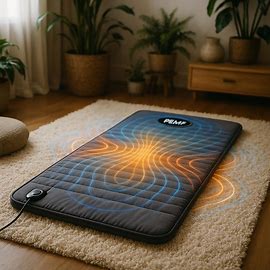
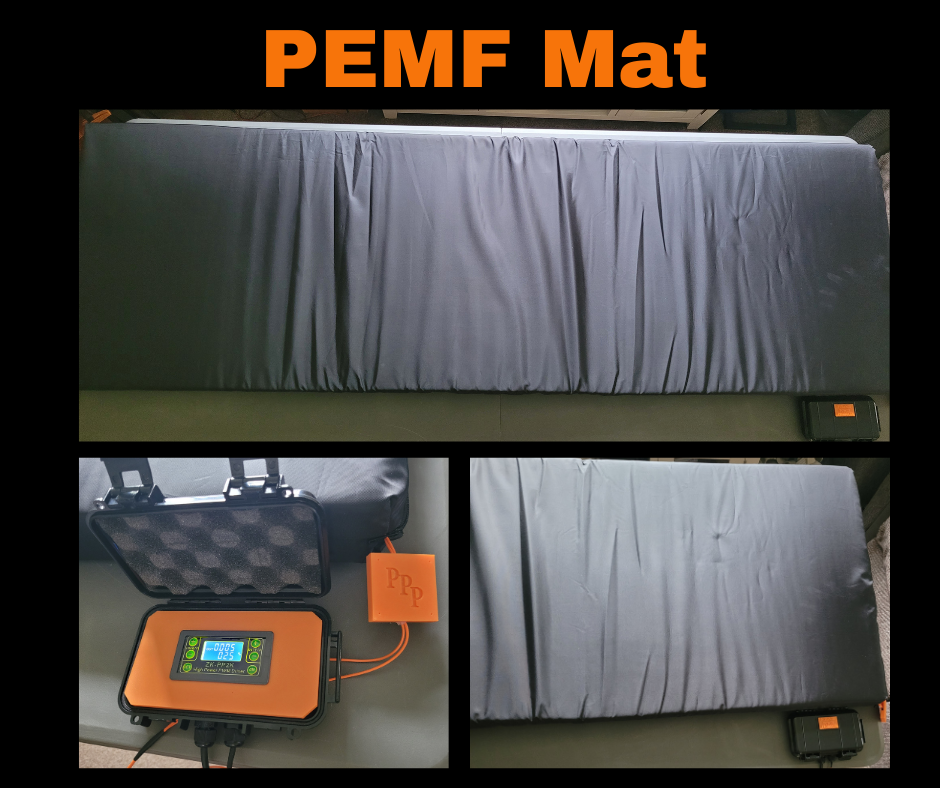
- PEMF Mats – Full-body recharge; lie down for 20–30 minutes.
- PEMF Wands – Handheld targeting for specific areas.
- PEMF Goggles – Designed for eye and relaxation support.
- PEMF Headsets – Brain and mental clarity focus.
- PEMF Pet Mats – Specially designed for dogs and cats.
Each type has the same foundation: delivering pulsed electromagnetic fields for wellness support.
What to Expect from PEMF Therapy
- Short-term: Relaxation, reduced tension, a sense of calm.
- Medium-term (2–4 weeks): Improved sleep, better recovery, reduced soreness.
- Long-term (2+ months): Support for mobility, energy, and overall well-being.
Remember: consistency is key. Studies show cumulative benefits appear with daily or regular use, not from one-off sessions (PMC Trial).
Frequently Asked Questions
Q: How long should a PEMF session last?
Most consumer devices recommend 10–30 minutes once or twice per day.
Q: Can children use PEMF?
PEMF research in children is limited. Always consult a pediatrician first.
Q: Is PEMF scientifically proven?
Yes, PEMF is FDA-cleared for certain uses (bone healing, post-op pain). Multiple peer-reviewed studies confirm benefits for circulation, recovery, sleep, and more.
Conclusion
So, what is PEMF? It’s a safe, non-invasive therapy that uses pulsed electromagnetic fields to recharge your cells, improve circulation, and support natural recovery.
To recap:
- What does PEMF therapy do? It boosts cellular energy, circulation, and recovery.
- Who should not use PEMF? Those with implants, pregnancy, bleeding disorders, or uncontrolled seizures.
- Is PEMF the same as a TENS machine? No — PEMF uses magnetic fields, TENS uses electrical current.
- What are the side effects of PEMF? Generally mild and temporary, with most users experiencing positive outcomes.
PEMF is not just a therapy — it’s a tool for daily wellness and vitality.
👉 Ready to explore PEMF for yourself? Browse our PEMF mats, headsets, wands, and goggles today and bring the future of wellness into your home.
References (10 Links)
- FDA PEMF Approval (Bone Healing)
- MDPI: PEMF Stimulates Mitochondria
- NCBI: PEMF & Circulation
- PubMed: Neural Modulation by PEMF
- Frontiers: PEMF Improves Insomnia
- ResearchGate: PEMF & Athletic Recovery
- PubMed: Pain Relief with PEMF
- PMC: PEMF Trial on Consistency
- Health Rising: User Experiences with PEMF
- BMJ Open: PEMF in Joint Mobility