Introduction
Wellness technology is advancing faster than ever, and one of the most talked-about innovations is the PEMF device. From professional athletes and biohackers to everyday people seeking non-invasive wellness solutions, pulsed electromagnetic field (PEMF) therapy is becoming a cornerstone of modern self-care.
But if you’ve landed here asking: “What is a PEMF device?” or “What does PEMF therapy do?”, this article breaks it all down. We’ll explain:
- Exactly what a PEMF device is and how it works
- The benefits supported by research and anecdotal use
- The success rate of PEMF therapy in real-world contexts
- Safety considerations and who shouldn’t use PEMF
By the end, you’ll know whether a PEMF device deserves a place in your wellness toolkit.
What Is a PEMF Device?
A PEMF device is any machine or wearable that delivers pulsed electromagnetic fields into the body. These fields are low-frequency, time-varying magnetic pulses that penetrate skin, muscle, and even bone to interact with your cells.
PEMF devices come in different formats:
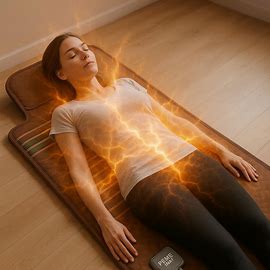
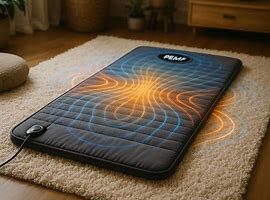
- PEMF mats – full-body coverage, ideal for relaxation and sleep
- PEMF wands – handheld, targeted applications
- PEMF headsets – for focus, mood, and cognitive wellness
- PEMF goggles – for eye relaxation and circadian balance
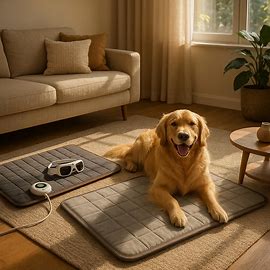
- PEMF pet mats – designed for dogs, cats, and horses
📌 Scientific basis: Every cell in the human body functions through electrical activity. When this activity is disrupted by stress, injury, or aging, cells lose efficiency. PEMF devices “recharge” these cells by restoring optimal electrical balance.
How Do PEMF Devices Work?
PEMF devices operate on the principle of electromagnetic induction. When the device emits a pulsed magnetic field, it creates microcurrents inside tissues. These currents:
- Stimulate mitochondria to produce more ATP (cellular energy) (MDPI study)
- Improve blood flow and oxygenation (NCBI)
- Influence ion channels and receptors, modulating inflammation (PubMed)
- Support neurotransmission and brainwave balance, aiding focus and relaxation
Think of a PEMF device as a cellular battery charger. When cells are fully “charged,” tissues function better, recovery is faster, and stress responses are reduced.
What Does PEMF Therapy Do?
Now to the key question: What does PEMF therapy do?
PEMF therapy affects multiple biological systems, but its most recognized benefits include:
1. Boosting Cellular Energy
PEMF stimulates mitochondria, increasing ATP output. ATP is the fuel that powers all cellular functions.
- Research confirms PEMF enhances mitochondrial performance and oxidative metabolism (MDPI).
2. Improving Circulation
Better microcirculation means more oxygen and nutrients reach your tissues, while waste products are cleared more efficiently.
- A study published in Bioelectromagnetics showed PEMF improved blood flow and reduced edema (NCBI).
3. Supporting Pain Relief
Many users turn to PEMF devices for musculoskeletal discomfort.
- A meta-analysis confirmed that PEMF improved pain and physical function in knee osteoarthritis patients (BMJ Open).
4. Enhancing Recovery After Surgery
PEMF therapy is FDA-cleared for bone healing and post-operative pain and edema.
- A trial found PEMF reduced pain and accelerated wound healing in post-surgical patients (PubMed).
5. Sleep and Stress Support
By calming nervous system activity, PEMF sessions often improve relaxation and sleep quality.
- A recent double-blind trial showed PEMF improved insomnia scores significantly
6. Cognitive and Mood Benefits
PEMF influences brain activity, promoting balanced states for focus and emotional wellness.
- Research indicates PEMF modulates neural activity in ways linked to improved mood (PubMed).
What Is the Success Rate of PEMF Therapy?
Another important query is: What is the success rate of PEMF therapy?
Clinical Success Rates
Success varies depending on the condition being studied. For example:
- Bone healing: FDA-recognized PEMF devices report success rates above 80% for non-healing fractures (FDA device report).
- Osteoarthritis: Meta-analyses show significant improvements in pain and function compared to placebo (BMJ Open).
- Sleep: Controlled trials show PEMF significantly improves sleep scores in chronic insomnia patients
Anecdotal Success
Beyond clinical trials, anecdotal evidence from wellness communities is strong:
- Users describe better recovery from workouts, deeper meditation, and calmer evenings (Health Rising).
- Athletes report less soreness and faster return-to-training after PEMF sessions (ResearchGate).
What Influences Success?
PEMF therapy works best when:
- Used consistently (10–30 minutes daily for several weeks)
- Paired with healthy habits (sleep hygiene, nutrition, movement)
- Personalized — different people respond better to different frequencies and session times
Are PEMF Devices Safe?
Yes — when used as directed. PEMF has an excellent safety profile. However, avoid PEMF if you:
- Have implanted electronic devices (pacemakers, cochlear implants, etc.)
- Are pregnant (not enough research available)
- Have active bleeding disorders
- Recently received an organ transplant
- Have uncontrolled epilepsy
Potential Side Effects
Most people tolerate PEMF without issue. Rare, mild effects may include:
- Temporary fatigue
- Mild warmth or tingling at the application site
- Headache or thirst (especially when new to PEMF)
These effects typically resolve quickly and often indicate the body is adjusting.
Different Types of PEMF Devices
PEMF devices vary widely depending on intended use:
- PEMF mats – whole-body energy recharge
- PEMF wands – localized pain and joint support
- PEMF goggles – eye strain relief and sleep support
- PEMF headsets – brain wellness and cognitive support
- PEMF pet mats – designed for animals like dogs, cats, and horses
How to Use a PEMF Device Effectively
- Start small: 10–15 minutes daily
- Be consistent: Sessions most days of the week
- Track progress: Journal sleep, energy, or pain changes
- Adjust timing: Morning for energy, evening for relaxation
- Pair with wellness: Hydration, sleep, and movement enhance results
Frequently Asked Questions
Q: What does PEMF therapy do?
It boosts cellular energy, circulation, recovery, and promotes relaxation.
Q: What is the success rate of PEMF therapy?
Success rates vary — >80% for non-healing fractures, significant improvements in arthritis, pain, and sleep in clinical studies.
Q: Can I use PEMF every day?
Yes, most consumer devices are designed for safe daily use.
Q: How soon will I see results?
Some notice relaxation immediately; others see improvements after 2–4 weeks of consistent sessions.
Conclusion
So, what is a PEMF device? It’s a wellness technology that delivers pulsed electromagnetic fields to recharge your body at the cellular level.
- What does PEMF therapy do? It improves energy, circulation, recovery, sleep, and mood.
- What is the success rate of PEMF therapy? Clinical studies show high effectiveness, especially in bone healing, arthritis, and sleep — with anecdotal evidence confirming broader wellness benefits.
Whether you’re an athlete, a professional under stress, or someone looking for a natural way to recharge, a PEMF device can be a powerful tool for daily vitality.
👉 Explore our collection of PEMF mats, wands, headsets, and goggles today and start your journey to better wellness.
References (10 Links for Authority)
- FDA Approval: PEMF for Bone Healing
- MDPI: PEMF Stimulates Mitochondria
- NCBI: PEMF Improves Circulation
- PubMed: Neural Modulation by PEMF
- BMJ Open: Osteoarthritis & PEMF
- PubMed: Pain Relief Study
- Frontiers in Neurology: Insomnia Trial
- ResearchGate: PEMF in Recovery
- Health Rising: User Experiences
- PMC: Consistency Matters in PEMF