PEMF Wand: Benefits, Science, and How to Use It Safely
Introduction
Wellness technologies have grown rapidly in the last decade, and one of the most intriguing tools is the PEMF Wand. These handheld devices deliver Pulsed Electromagnetic Field (PEMF) therapy, a non-invasive method that uses gentle magnetic pulses to stimulate the body’s natural repair processes.
Unlike full-body mats or helmets, a PEMF wand is portable, lightweight, and designed to be moved directly over targeted areas like sore joints, stiff muscles, or even surgical sites. But does the science back it up? What can you realistically expect from PEMF wand therapy?
In this guide, we’ll explore:
- What a PEMF Wand is and how it works
- Evidence-based benefits (with links to peer-reviewed studies)
- Safety and contraindications
- How to use a PEMF wand effectively
- Tips for choosing the right device
What is a PEMF Wand?
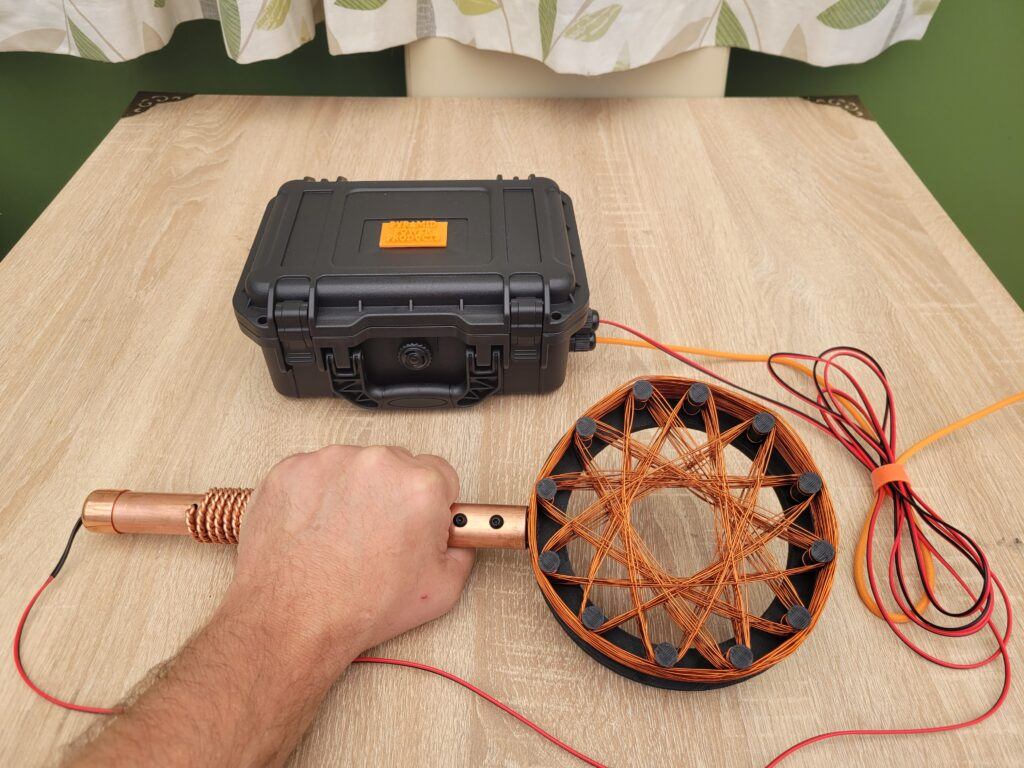
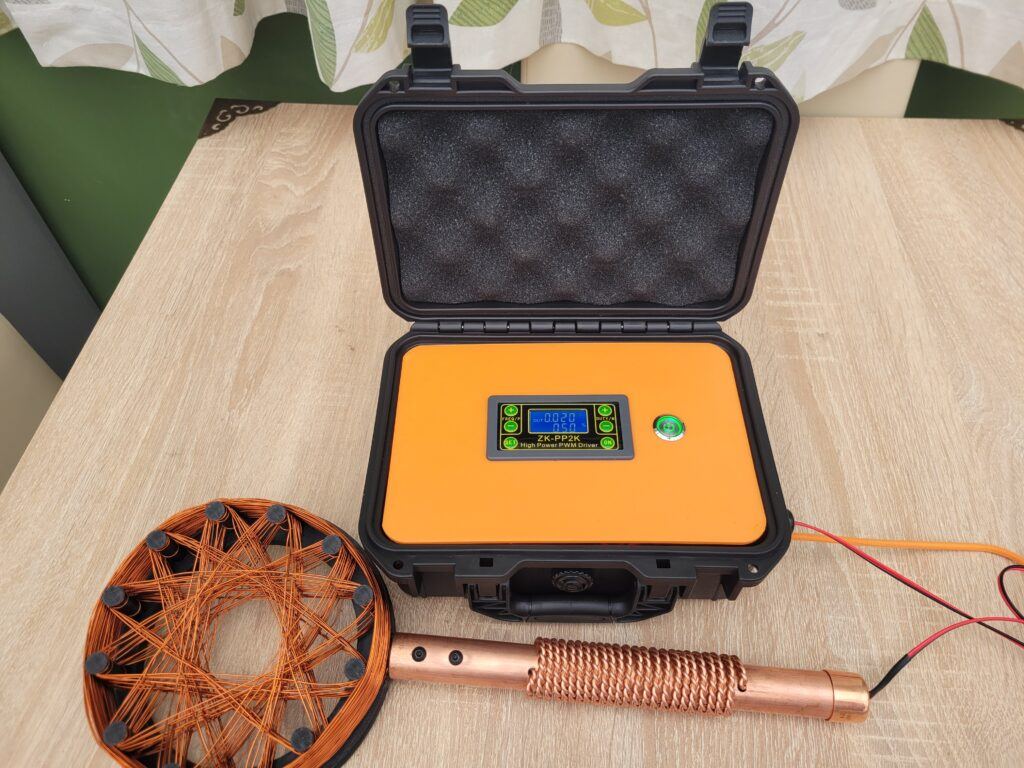
A PEMF wand is a small, handheld device with a built-in coil that emits pulsed electromagnetic fields. When the wand is activated, it generates magnetic pulses that penetrate into the tissues. These pulses gently induce small electrical currents within cells, influencing cellular metabolism, circulation, and signaling pathways.
Key differences vs. PEMF mats or headsets:
- Targeted application: Wands are best for local issues (like a stiff knee or sore shoulder).
- Portable: Lightweight and easy to carry.
- Customizable: You can move the wand directly to where discomfort is.
Think of a PEMF mat as a broad brush for overall wellness, and a PEMF wand as a fine-tipped brush for precision targeting.
How Does PEMF Work in the Body?
Cells communicate via tiny electrical charges. When stress, injury, or disease disrupts this balance, healing slows down. PEMF pulses interact with cell membranes and mitochondria, nudging them back toward healthy electrical activity.
Mechanistic studies show that PEMF can:
- Stimulate adenosine receptors (A2A and A3), reducing inflammation through NF-κB/MAPK signaling.
- Enhance microcirculation, improving oxygen and nutrient delivery.
- Boost ATP production in mitochondria, giving cells more energy for repair.
- Encourage collagen synthesis for tissue regeneration.
This is why PEMF therapy has been studied in conditions ranging from bone healing to arthritis and sleep disorders.
Evidence-Based Benefits of a PEMF Wand
1. Pain Relief and Joint Function
- Osteoarthritis (OA):
A systematic review and meta-analysis of randomized controlled trials in knee OA found that PEMF significantly improved physical function, though effects on pain and stiffness were mixed. - Targeted PEMF:
When applied locally with handheld devices, some trials show reduced discomfort and better mobility within weeks, suggesting that wand-style PEMF may be useful for arthritis or joint recovery.
Takeaway: A PEMF wand can be an adjunctive tool for daily OA management, especially when applied consistently to stiff or painful joints.
2. Bone Healing
- FDA-Cleared Devices:
PEMF has been FDA-approved since 1979 for treating nonunion fractures. Large cohort studies show healing rates >70% with proper dosing. - Why this matters for wands:
While consumer PEMF wands aren’t identical to prescription devices, they rely on the same biological principles—suggesting that targeted use may support bone recovery post-injury or surgery.
3. Post-Surgical Recovery
- Breast Reconstruction Surgery:
Randomized, sham-controlled studies found that PEMF reduced pain scores, lowered narcotic use, and decreased inflammatory cytokines in wound exudate. - C-section Recovery:
Another RCT reported lower pain and improved wound healing after PEMF exposure.
Why it matters: A PEMF wand can be applied gently around surgical sites (not directly over fresh incisions) to support recovery under medical supervision.
4. Sleep and Relaxation
- A multicenter, double-blind RCT (2023) found that PEMF therapy significantly improved insomnia severity in adults compared to placebo.
- Users often report that a short evening PEMF wand session over the temples or neck promotes relaxation, likely by influencing brainwave activity and calming overactive nervous-system responses.
5. Inflammation and Circulation
- Mechanistic research shows PEMF modulates inflammation at the cellular level and can increase microvascular blood flow.
- These effects explain why PEMF wands are often marketed for faster recovery after exercise, bruises, or muscle strain.
6. Neurological and Mental Health Applications (Emerging)
- Depression (TRD): T-PEMF (transcranial protocols using headsets) has shown significant symptom reduction in treatment-resistant depression trials.
- While wands aren’t designed for full-head coverage, some practitioners use them near the temples or forehead for relaxation and mood support.
How to Use a PEMF Wand
Step 1: Start with Short Sessions
- Begin with 5–10 minutes per area, once daily.
- Gradually increase to 15–20 minutes once or twice daily.
Step 2: Target Specific Areas
- Joints: Knees, hips, shoulders for arthritis or stiffness.
- Muscles: Apply post-exercise for recovery.
- Surgical recovery: Use around (not directly on) healing incisions.
Step 3: Stay Consistent
- Most studies showing benefits used daily sessions for 2–8 weeks.
Step 4: Pair with Lifestyle
- Best results come when PEMF is combined with:
- Physical therapy or mobility work
- Anti-inflammatory nutrition
- Adequate sleep
Safety and Contraindications
PEMF therapy is generally safe and well-tolerated, with very few reported side effects. Still, some precautions are essential:
- Avoid use if you have:
- Pacemakers or implanted medical devices (risk of interference)
- Active bleeding or open wounds
- Pregnancy (lack of safety data)
- Epilepsy or seizure disorders (consult a doctor)
- Mild side effects:
- Temporary tingling or warmth in treated areas
- Rare headaches if used near the head
Tip: Always check your manufacturer’s safety guidelines before use.
Choosing the Right PEMF Wand
Not all wands are created equal. Here’s what to look for:
- Transparent specifications
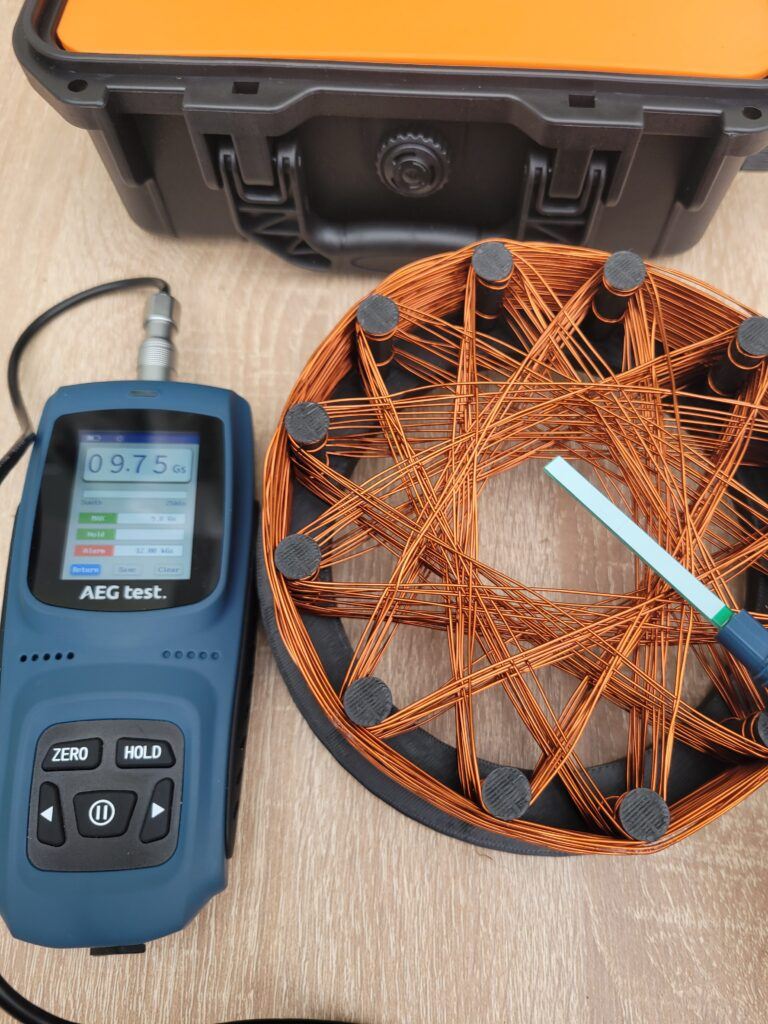
- Flux density (measured in mT or gauss)
- Frequency range (usually 1–50 Hz is best studied)
- Evidence-based settings
- Look for devices referencing clinical protocols or preclinical evidence.
- Build quality and ergonomics
- Comfortable grip, durable casing, easy-to-use controls.
- Safety testing
- Certifications like IEC/EMC testing for electronics.
- Support and warranty
- A reputable manufacturer should offer returns and customer support.
FAQs About PEMF Wands
Q: Can a PEMF wand cure arthritis?
No. While it can support mobility and reduce stiffness, it’s an adjunctive therapy, not a cure.
Q: How soon will I feel results?
Some people report relaxation immediately, but measurable improvements in joint function or recovery usually appear within 2–4 weeks of consistent use.
Q: Is a PEMF wand FDA-approved?
No consumer wand has FDA clearance to treat diseases. The science is real, but approval is limited to certain clinical devices (e.g., bone healing stimulators).
Q: Can I use it daily?
Yes—clinical studies typically used daily applications, sometimes multiple times per day for chronic conditions.
Key Scientific Studies Supporting PEMF
- Bone Healing: FDA clearance for nonunion fractures; >70% healing success.
- Knee Osteoarthritis Meta-Analysis: Improved physical function.
- Post-Op Recovery (RCTs): Reduced pain, narcotic use, and inflammatory cytokines.
- C-section Recovery: Better wound healing, lower pain.
- Insomnia RCT (2023): Improved sleep quality and ISI scores.
- Mechanistic Studies: Show PEMF enhances ATP, circulation, and anti-inflammatory signaling.
Conclusion
A PEMF wand is one of the most versatile and portable wellness tools available today. Backed by decades of research on PEMF therapy, these devices can:
- Improve joint function and support mobility
- Help with pain relief and inflammation
- Aid post-surgical recovery
- Promote better sleep and relaxation
- Support cellular repair by boosting ATP and circulation
While they aren’t a magic cure, PEMF wands are a safe, non-invasive adjunct that can fit easily into a daily wellness routine. With consistent use, most people notice benefits within a few weeks.
If you’re considering one, choose a well-tested device, follow safe protocols, and use it alongside good sleep, nutrition, and movement habits.