PEMF Mat: The Complete, Science-Backed Guide to Benefits, Use & Buying (2025)
If you’ve been hearing about PEMF mats (Pulsed Electromagnetic Field mats) and wondering whether they genuinely help with recovery, sleep, and pain, this guide is for you. Below you’ll find a clear, hype-free walkthrough of how PEMF works, what the best-researched benefits are, how to use a mat safely and effectively, and links to credible scientific studies so you can check the evidence yourself.
What is a PEMF mat?
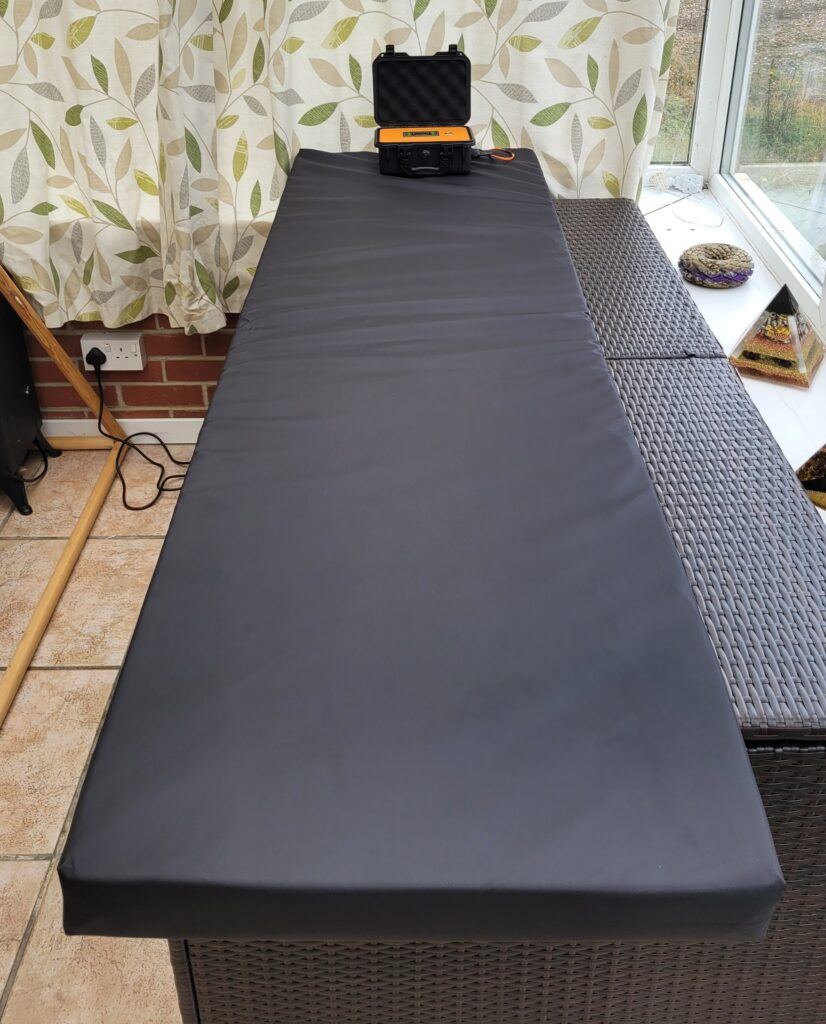
A PEMF mat delivers pulsed, low-frequency electromagnetic fields through embedded coils. Those gentle pulses induce tiny electrical changes in tissues (a normal bioelectric process), which can modulate cellular signalling. Decades of orthopaedic use show that appropriately dosed PEMF can influence bone, cartilage, and soft-tissue biology—primarily by acting on cell-membrane receptors (notably A2A/A3 adenosine receptors) and downstream anti-inflammatory pathways. (PMC)
Important distinction: “PEMF” is a modality (like “heat” or “light therapy”). A PEMF mat is one consumer-friendly way of delivering it. Clinical PEMF devices (e.g., bone growth stimulators) tend to use targeted applicators and higher-precision dosing than general-wellness mats.
What does the science actually say?
PEMF is not magic. It’s a bioelectromagnetic input with mixed but often promising evidence—strong in some indications (e.g., bone nonunion), encouraging or emerging in others (e.g., knee function, postoperative recovery, sleep), and inconclusive in still others (e.g., some neurological or fatigue outcomes). Here’s the high-level picture with studies you can check:
1) Bone repair (strongest clinical footing)
- U.S. FDA clearance since 1979 for treating certain fracture nonunions; healing rates in large cohorts commonly exceed 70%. (PMC, U.S. Food and Drug Administration, Lippincott Journals)
What this means for mats: home PEMF mats are not the same as a prescribed bone-stimulator. But the long clinical history establishes that PEMF signals can drive real biological change when dosed properly. (PMC)
2) Knee osteoarthritis (function benefits; pain results vary)
- A systematic review and meta-analysis of randomized trials in knee OA found improved physical function, with no clear advantage for pain or stiffness on pooled analysis—i.e., useful but not a painkiller replacement. (Medical Journals)
- Individual RCTs sometimes report meaningful pain reduction and better function (results depend on parameters, treatment duration, and patient factors). (Medical Journals)
3) Post-operative recovery (pain, inflammation, analgesic use)
- Double-blind RCTs around breast and abdominal reconstructive procedures found lower pain scores, reduced narcotic use, and less inflammatory cytokines in wound exudate with adjunctive PEMF. (PubMed)
- A randomized, sham-controlled trial after C-section also reported lower pain and favorable wound-healing assessments with PEMF. (PubMed, Lippincott Journals)
4) Sleep & insomnia
- A multicenter, randomized, double-blind, placebo-controlled trial (2023) reported improved insomnia severity with a pulsed magnetic therapy system. Earlier double-blind work also suggested benefit. (PubMed, PMC)
5) Whole-body recovery, circulation & fatigue
- Whole-body or mat-based PEMF trials show mixed outcomes: some studies report improvements in function, low-back symptoms, or markers linked to vascular function; others show no additional effect vs placebo for certain fatigue or quality-of-life outcomes (e.g., in MS). This underscores that protocol and population matter. (PMC, ScienceDirect, BioMed Central)
6) Mechanisms of action (why any of this might help)
- Contemporary reviews describe membrane-level signalling via adenosine receptors, modulation of NF-κB/MAPK inflammatory pathways, changes in extracellular-matrix synthesis, and mitochondrial/energy metabolism effects—all plausible routes to improved recovery and tissue homeostasis. (PMC, Lippincott Journals, Nature)
Bottom line: PEMF is not a cure-all, but there is credible, peer-reviewed evidence for specific benefits—especially in orthopaedics and post-op contexts—with emerging support for sleep and functional outcomes. For general wellness aims (the usual use case for a PEMF mat), results vary with signal parameters, session consistency, and the individual.
Evidence-aligned benefits you can reasonably expect from a PEMF mat
- Support for joint function and mobility
In knee osteoarthritis, meta-analysis suggests a modest but real improvement in physical function—think moving more comfortably—even when pain scores don’t always change dramatically. (Medical Journals) - Post-exercise and post-procedure recovery support
Adjunctive PEMF in surgical settings has reduced pain, inflammation, and analgesic needs; athletes and active users often translate this into faster “feel-better” recovery with regular sessions. (Consumer mats are gentler than post-op devices, but the anti-inflammatory signalling they target is similar.) (PubMed) - Sleep and relaxation
Modern and historical randomized trials suggest improved insomnia severity and sleep quality for some users, particularly with consistent nighttime use. (PubMed) - General wellness via bioelectromagnetic signalling
Mechanistic studies show PEMF can down-shift inflammatory cascades and influence cellular energy metabolism. People often describe this as “more restored” after sessions—especially when pairing PEMF with movement, adequate protein, and sleep hygiene. (PMC, Lippincott Journals)
Be realistic: A mat is not a medical device for treating disease. Expect incremental gains—better sleep onset, easier movement, quicker “bounce-back”—rather than dramatic, one-session transformations.
How to use a PEMF mat (simple plan that aligns with published protocols)
Week 1–2: Build a base
- Daily: 10 minutes, low intensity, once per day.
- Best times: evening (to promote relaxation) or post-activity (to support recovery).
- Goal: gauge how you respond (sleep, energy, stiffness the next morning).
Week 3–4: Consolidate
- Increase to 20 minutes once daily (or split: 10 min morning + 10 min evening if you prefer).
- If sleep is your main goal, place the longest session within 2–3 hours of bedtime.
After Week 4: Titrate to outcomes
- Most users settle at 20–30 minutes, 1–2×/day on low–moderate intensity.
- For joint function goals, consistency beats intensity: daily use for 4–8 weeks mirrors durations seen in RCTs. (Medical Journals)
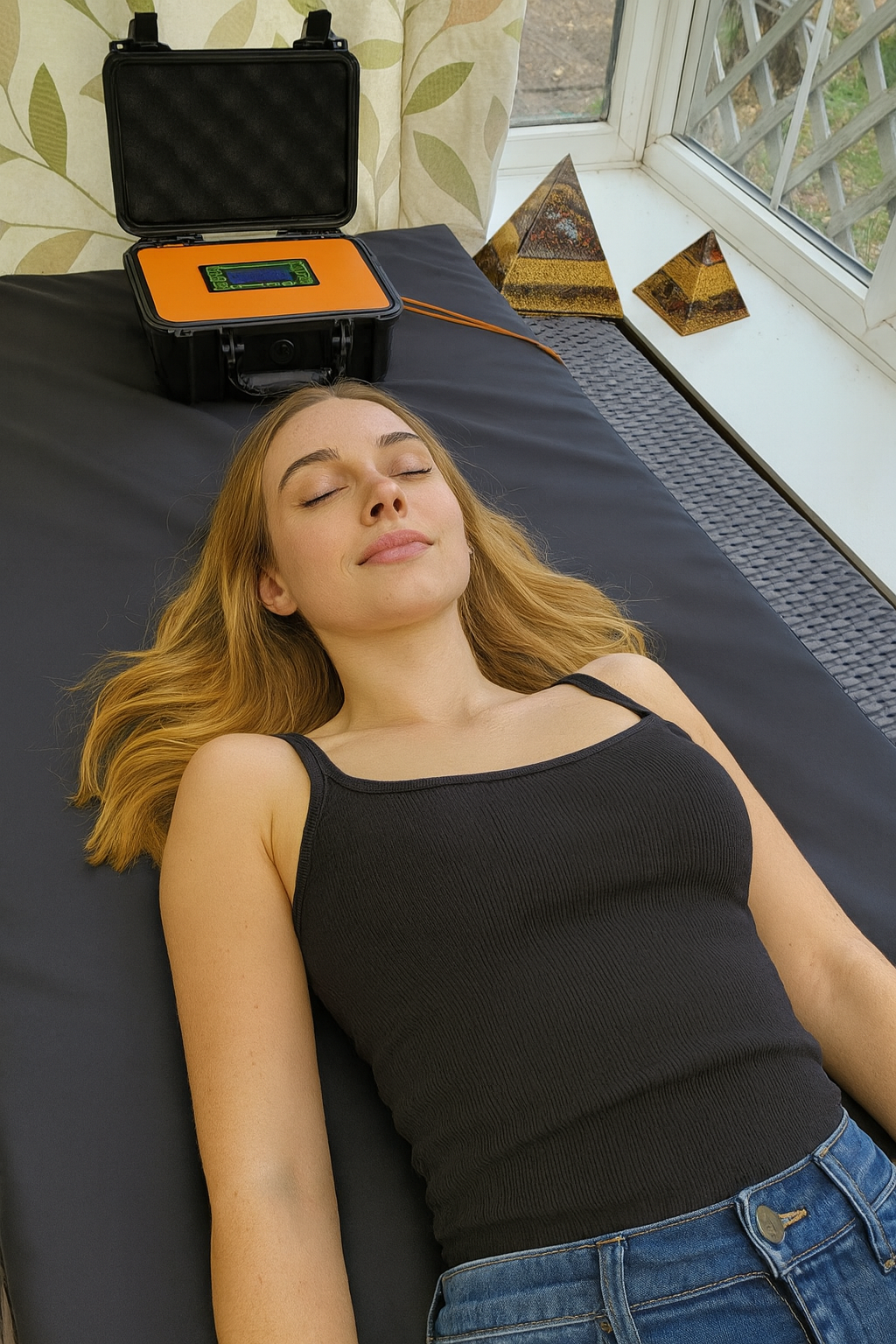
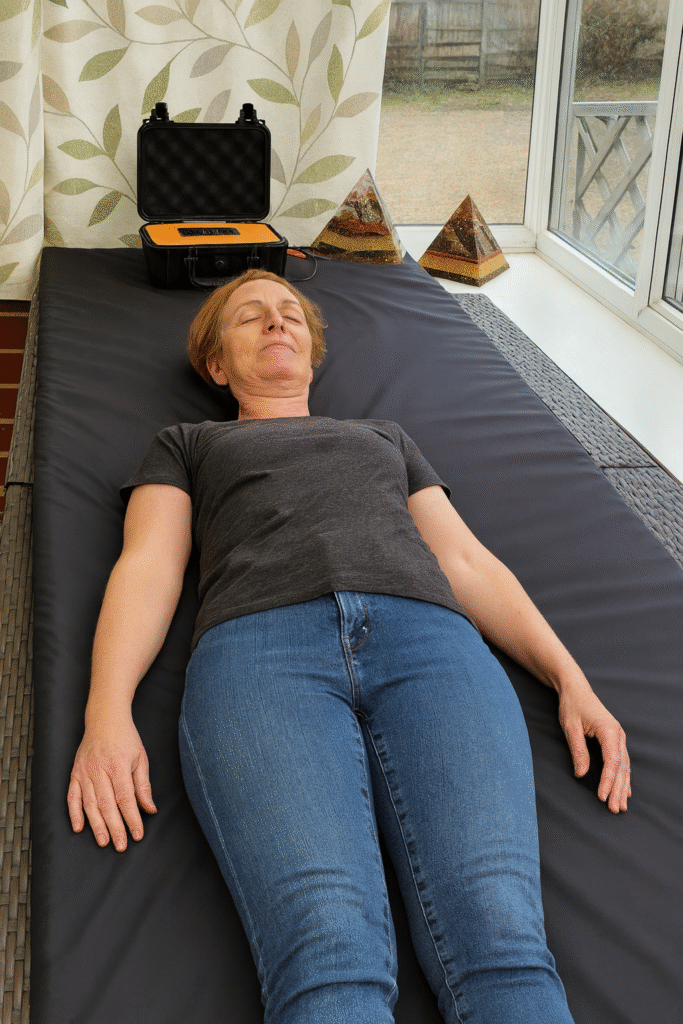
Positioning: Lie comfortably with target areas over the coils. Hydrate before/after. Pair with gentle mobility or breathing work to amplify relaxation.
Safety/contraindications: Do not use with implanted electronic devices (e.g., pacemakers), during pregnancy (insufficient data), or over active bleeding. If you have a serious medical condition, speak to your clinician first.
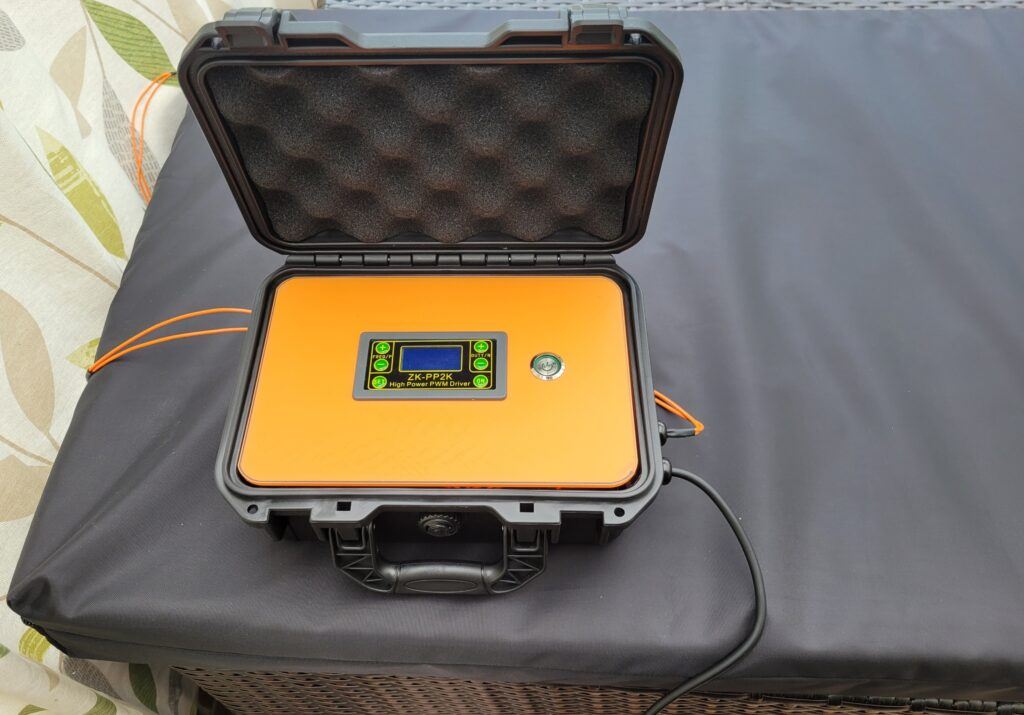
Choosing a PEMF mat: features that matter
- Field strength & dosing clarity: Look for transparent specs (peak magnetic flux density in microtesla or gauss) and published duty cycles/pulse shapes. Dosing matters in PEMF, as shown by bone-healing data sets. (PMC)
- Frequency range: Most wellness mats use 1–50 Hz pulses. Evidence spans a range; consistency appears more important than chasing a “magic number.”
- Coil layout & coverage: Even coil spacing and full-body coverage help for sleep/relaxation; local applicators are useful for targeted joints.
- Programs you’ll actually use: Simple, repeatable routines beat 100 complicated presets.
- Independent testing & support: Favor brands that publish basic field maps and safety testing.
- Warranty & service: You’ll use it daily—support matters.
Frequently asked questions
Is a PEMF mat FDA-approved?
No. PEMF bone growth stimulators (prescription devices for nonunion fractures) have FDA clearance; consumer wellness mats do not treat disease and aren’t FDA-cleared for medical indications. (U.S. Food and Drug Administration)
How long until I notice anything?
Some people feel immediate relaxation; functional outcomes (e.g., morning stiffness, sleep continuity) typically show up after 2–4 weeks of daily sessions, similar to durations used in trials. (Medical Journals)
What about ATP and mitochondria?
Laboratory and translational work suggests PEMF can modulate mitochondrial function and inflammatory signalling, which is one plausible reason for better recovery over time. These are mechanistic (not guarantees of clinical effect for every user), but they reinforce that the modality can drive real bioelectric signalling. (Lippincott Journals, Nature)
Can PEMF replace my pain meds or physio?
No. Think of a PEMF mat as adjunctive to sensible rehab: movement, strength, sleep, nutrition, and—when indicated—medical care. Some surgical RCTs show reduced analgesic needs with PEMF, but that was as an add-on under clinical supervision. (PubMed)
A practical 4-week starter protocol (copy/paste)
- Goal: Sleep & relaxation
- Days 1–7: 10 min at low intensity, 1× nightly.
- Days 8–28: 20 min nightly. Optional 10-min morning session on stressful days.
- Keep lights low, avoid screens, add 2–3 minutes of nasal breathing.
- Goal: Joint function/mobility
- Days 1–7: 10 min after light mobility or a warm shower.
- Days 8–28: 20 min daily, then reassess. Pair with strength + range-of-motion work.
- Goal: Post-training recovery
- Within 1–3 hours post-session: 10–20 min.
- On off-days: 10 min for relaxation or gentle circulation support.
If at any point sessions make you feel “wired,” shift them earlier in the day or reduce intensity.
Who tends to benefit most?
- People with light-to-moderate knee OA seeking easier daily movement (manage expectations for pain). (Medical Journals)
- Those aiming to improve sleep onset/continuity with a relaxing evening ritual. (PubMed)
- Anyone looking for an adjunct to recovery—post-exercise or after long workdays—without relying solely on pills. Surgical data support the anti-inflammatory/pain-modulating potential of PEMF as an add-on. (PubMed)
Sensible cautions
- Medical devices & pregnancy: Avoid use and consult your clinician.
- Serious illness: Treat PEMF as complementary; do not delay evidence-based care.
- Marketing claims: Be wary of promises to “cure” complex conditions. Stick to routines and outcomes that are plausible and supported.
Selected peer-reviewed studies (quick access)
- Mechanisms & orthopaedics: Cadossi et al., 2020 (AAOS Global): FDA history; adenosine-receptor signalling; clinical bone/nonunion evidence. (PMC)
- FDA bone growth stimulators executive summary (device class info). (U.S. Food and Drug Administration)
- Knee osteoarthritis meta-analysis (RCTs): physical function improved; pain/stiffness mixed. (Medical Journals)
- Post-operative pain/inflammation (breast reconstruction): randomized, double-blind, placebo-controlled—lower pain, narcotic use, IL-1β. (PubMed)
- Post-operative pain (breast augmentation): randomized, double-blind—faster pain reduction. (PubMed)
- C-section pain: randomized, double-blind—lower pain & favorable wound-healing assessment. (PubMed, Lippincott Journals)
- Insomnia (multicenter RCT, 2023): reduced insomnia severity vs placebo; earlier double-blind study also supportive. (PubMed)
- Whole-body/mat outcomes (mixed): examples of benefit and null findings in functional/fatigue outcomes. (PMC, ScienceDirect, BioMed Central)
- Mitochondria/energy metabolism: EM fields linked to mitochondrial OXPHOS activation and energy signalling in preclinical work. (Nature)
Take-home summary
- PEMF mats offer a convenient, low-effort way to tap into a modality with genuine biological effects.
- The best-established medical use of PEMF is bone nonunion, via prescription devices (not mats). (U.S. Food and Drug Administration)
- For general wellness, the most evidence-aligned expectations are:
- modest improvements in joint function,
- better sleep/relaxation for some users, and
- support for recovery when used consistently. (Medical Journals, PubMed)
- Results depend on dose, consistency, and the individual. Treat your mat as a helpful adjunct, not a standalone cure.
If you’d like, tell me your primary goal (sleep, recovery, joint function) and the mat you have (or are considering). I can tailor a 4-week protocol with realistic targets based on the evidence above.