PEMF Goggles: Benefits, Safety, and Science (2025 Guide)
TL;DR: PEMF goggles are wearable devices that bathe the eye area and surrounding sinuses in low-frequency pulsed electromagnetic fields. Early research suggests PEMF can modulate inflammation, circulation, and cellular repair, with direct eye evidence from animal and cell studies and human evidence in nearby tissues (e.g., sinuses) and brain. That means potential upsides for ocular comfort and post-screen fatigue—but there’s not yet strong, large human data showing PEMF goggles treat eye diseases, and they aren’t FDA-cleared for that. If you’re considering a pair, prioritize safety (especially around implants), realistic expectations, and manufacturers that divulge technical parameters and testing. (PMC, PubMed, MDPI)
What are PEMF goggles?
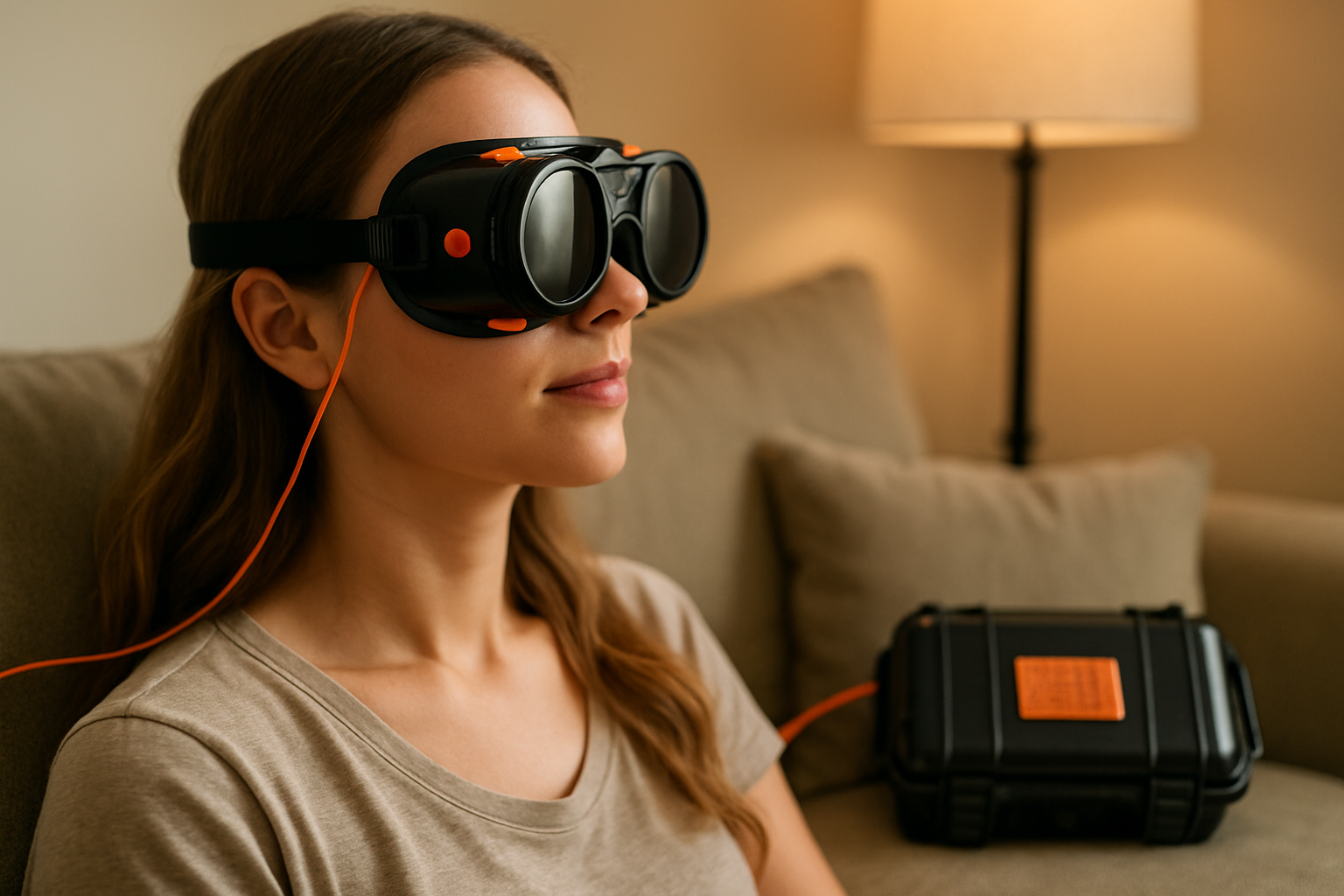
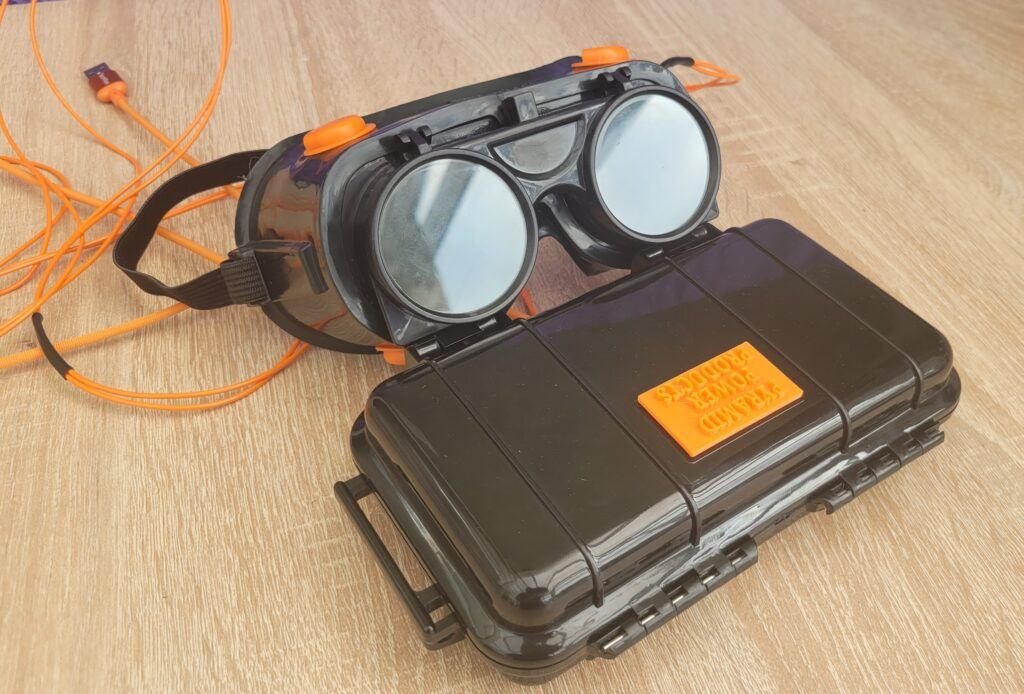
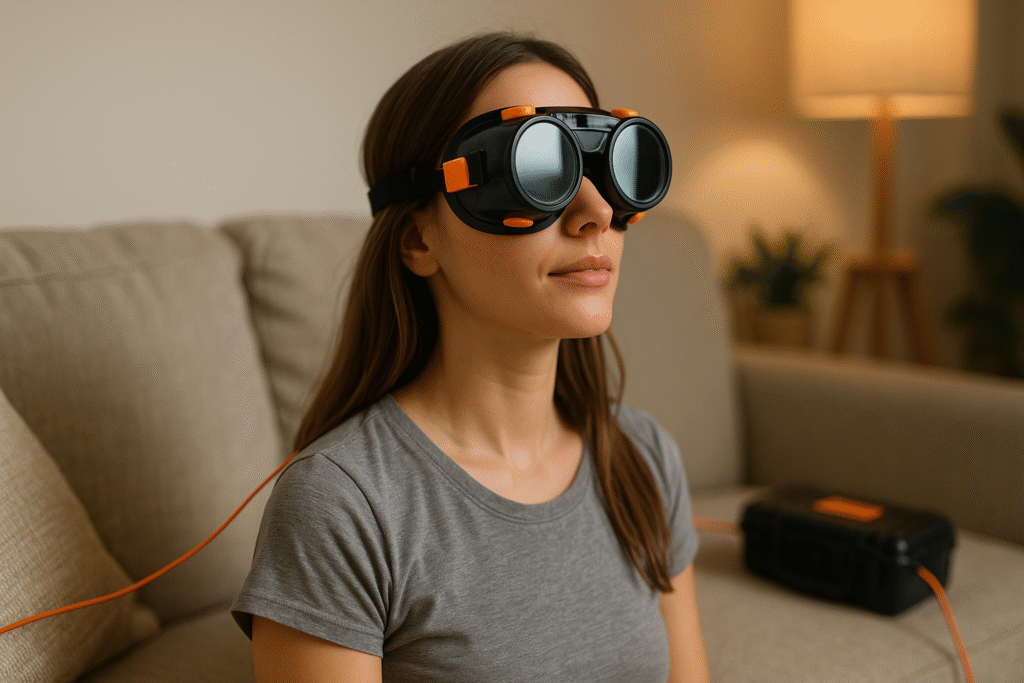
PEMF (pulsed electromagnetic field) therapy delivers time-varying magnetic pulses that induce tiny electric fields in tissue. Unlike electrical pads, magnetic fields pass easily through skin and bone, so you can stimulate deeper tissues without direct electrical contact. “Goggles” simply package coils around the orbits/temples/forehead to target the ocular surface and surrounding structures (eyelids, lacrimal glands, frontal and maxillary sinuses). (PMC)
Key idea: the pulses don’t heat tissue; instead, they appear to nudge cell signaling—influencing inflammatory mediators, angiogenesis, and wound-repair pathways—effects seen across multiple lab and clinical contexts. (PMC)
The science—what’s actually been studied?
1) Cornea & ocular surface (animal studies)
Two peer-reviewed studies in rabbits examined ELF-PEMF after alkali corneal burns:
- 2012 (IOVS): 56 rabbit corneas were assigned to PEMF (2 or 5 mT, 30 min twice daily), medical therapy, or control. PEMF sped early epithelial closure (day 2) and reduced keratocyte loss vs. medical therapy; overall outcomes were comparable by days 7–14. No perforations or catastrophic events were noted. (PubMed)
- 2016 (Experimental Eye Research): Compared PEMF (2 mT, 2 h daily), low-level laser therapy, combination, medical therapy, and control. PEMF and laser both supported healing; combination was not superior to either alone. (PubMed)
Why it matters for goggles: these are direct ocular data, showing PEMF can safely influence corneal repair in animals. That doesn’t prove benefit for everyday eye strain or dry eye in humans, but it’s biologically encouraging. (PubMed)
2) Retinal cells (in vitro)
Human retinal pigment epithelium (RPE) cells exposed to ELF-PEMF showed changes in proliferation, apoptosis, and angiogenic factor expression, suggesting PEMF can modulate retinal cell behavior at the bench. This is mechanistic, not clinical, but supports a plausible biological pathway near the eye. (PMC)
3) Sinuses & periorbital tissues (human RCT)
If you’ve ever felt pressure behind your eyes, that’s often the paranasal sinuses. A double-blinded randomized controlled trial (2024) in adults with chronic rhinosinusitis applied PEMF 20 gauss (≈2 mT) at 7 Hz for 10 minutes, 3×/week for 1 month. Compared with sham, the PEMF group had significantly reduced fatigue and headaches, and CT scans showed improved sinus opacifications and ostiomeatal complex obstruction. For goggles, which sit directly over these sinuses, this is the strongest human evidence in the neighborhood. (MDPI)
4) Brain-adjacent effects (transcranial PEMF)
Transcranial PEMF (a helmet with multiple coils—not goggles) has been explored for depression. In a multicenter cohort and earlier randomized trials, T-PEMF used as an add-on to medication reduced depression scores with a favorable safety profile. Although this is not an eye therapy, it indicates low-intensity PEMF can influence neural symptoms (mood, headaches) without seizures or major adverse events when appropriately dosed. (PMC)
5) Historical/older ophthalmic reports
A 2003 ophthalmic paper reviewed earlier clinical claims (from the former Soviet Union) of PEMF helping dry eye, glaucoma, keratoconus, and optic nerve lesions but noted these reports were controversial or little known in the West. A rabbit hyphema model in the same work evaluated PEMF in controlled conditions. Bottom line: interesting signals, but not contemporary, high-quality RCT evidence for specific eye diseases. (DNB, PubMed)
What benefits are realistic right now?
Based on the evidence above—and being frank about where it’s strong or thin—people considering PEMF goggles can reasonably aim for:
- Support for ocular comfort after long screen days (indirect rationale). Mechanistically, PEMF can modulate inflammation and microcirculation; animal corneal data and sinus RCT signals suggest a potential for soothing peri-ocular discomfort and pressure. Human eye-specific trials for “digital eye strain” are still needed, so consider this a plausible benefit, not a proven clinical claim. (PMC, PubMed, MDPI)
- Adjunctive relief of sinus-related pressure and headaches around the eyes. The 2024 RCT found symptom and imaging improvements in chronic rhinosinusitis using low-intensity PEMF protocols similar to what goggles could deliver. (MDPI)
- General relaxation effects (extrapolated). Transcranial PEMF literature reports benefits in mood and post-concussion symptoms in some studies; goggles don’t stimulate the whole brain, but gentle periorbital PEMF is unlikely to be stimulating and may aid relaxation for some users. Evidence here is indirect. (PMC)
What not to expect (yet): robust, replicated human trials showing PEMF goggles treat or reverse eye diseases like glaucoma, macular degeneration, or chronic dry eye. If a brand makes those claims, ask for published, peer-reviewed human trials—device- and parameter-matched. (DNB)
Are PEMF goggles FDA-cleared for eye diseases?
No. Some PEMF devices are FDA-cleared, but for different indications:
- RecoveryRx (class II shortwave diathermy) has 510(k) clearance that includes adjunctive treatment of postoperative pain and a pedigree referencing treatment of edema following blepharoplasty (eyelid surgery)—relevant to safety near the eyes but not a disease treatment claim. (FDA Access Data)
- ActiPatch is cleared OTC for musculoskeletal pain (initially knee OA/plantar fasciitis; later broadened to “adjunctive treatment of musculoskeletal pain”). Not an eye indication. (FDA Access Data)
Takeaway: PEMF near the eye region has regulatory precedents for post-op pain/edema, but no FDA clearance to treat eye diseases. (FDA Access Data)
Safety & contraindications (read this first)
Low-intensity PEMF has a favorable safety profile in clinical studies (including transcranial applications). That said, electromagnetic therapies can interfere with implants. Do not use PEMF goggles if you have a pacemaker/ICD or other implanted electronic device unless your cardiologist clears it. Major cardiac device makers warn broadly about electromagnetic interference with stimulators. (PMC, www.bostonscientific.com)
Common, conservative cautions across medical/industry guidance include: pregnancy (lack of data), active bleeding, recent ocular surgery unless your surgeon approves, seizure disorders, and use directly over unknown masses. These are largely precautionary rather than known harms, but they’re widely advised. When in doubt, ask your clinician. (PMC)
How to choose PEMF goggles (a buyer’s checklist)
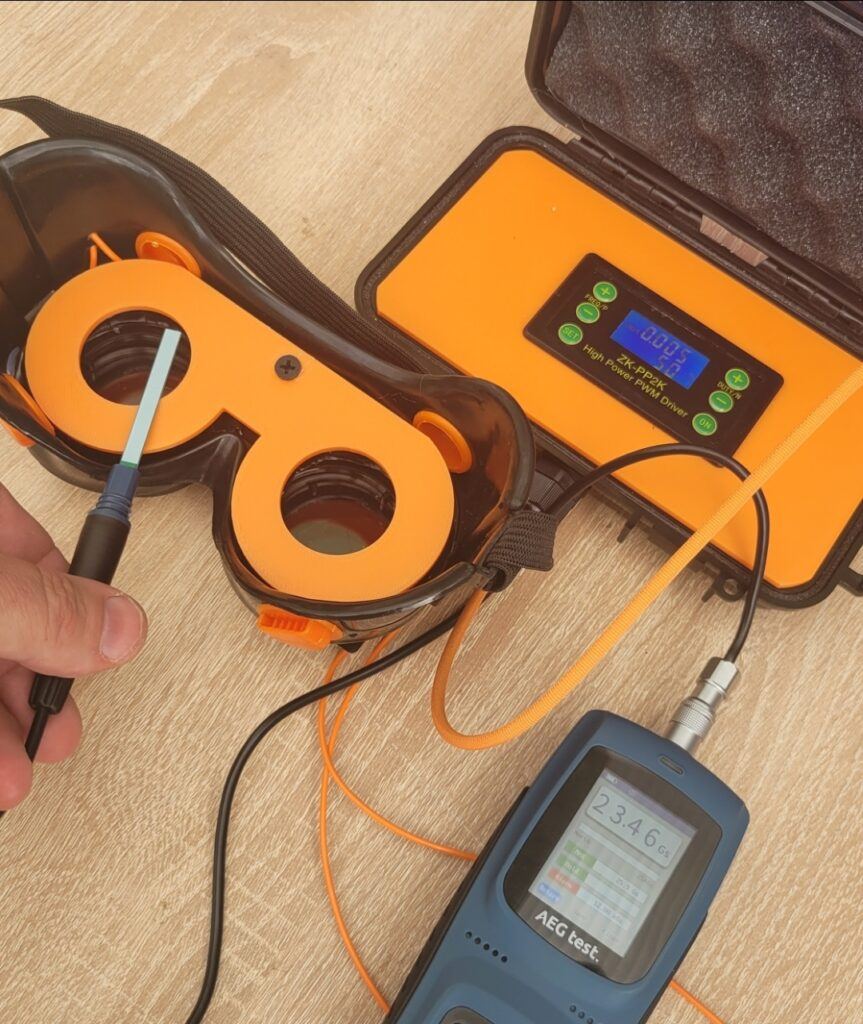
- Transparent specs. Look for published magnetic flux density (e.g., gauss/mT at the eye surface), pulse repetition frequency (Hz), pulse shape, and session duration. Lack of specifics makes it impossible to compare devices or emulate research protocols. (PMC)
- Parameters in the evidence ballpark. In ocular/near-ocular literature, intensities of ~2 mT (≈20 gauss) with minutes-scale sessions show biological effects (animal cornea studies used 2–5 mT; the sinus RCT used ~2 mT at 7 Hz, 10 minutes). Devices advertising extremely high fields or very long exposures aren’t necessarily “better.” (PubMed, MDPI)
- Safety testing. Ask about IEC/EMC testing, materials safety for peri-ocular skin, and thermal safeguards. For implant users, get implant-specific clearance (or avoid). (www.bostonscientific.com)
- Regulatory posture. If a maker claims to treat an eye disease, ask for the 510(k)/de novo number or published RCTs. Be skeptical of therapeutic claims without citations. (FDA Access Data)
- Ergonomics & hygiene. The fit should avoid pressing on the globe, and covers should be wipeable or washable to protect the eyelids/meibomian glands.
How to use PEMF goggles (evidence-informed starting points)
- Start light: 10–15 minutes, 3–5 days/week for 2–4 weeks; assess your response. That mirrors the short session approach seen in the sinus RCT (10 minutes, 3×/week) and respects that benefits often accrue over repeated sessions, not marathons. (MDPI, PMC)
- Intensity: If your device publishes flux density, ~1–2 mT is a reasonable target near the peri-ocular skin based on studies showing biological activity without discomfort. If you feel warmth/pressure or eye strain, stop and reassess. (PubMed)
- Positioning: Center coils over brow and infraorbital rim so fields traverse eyelids/sinuses without pressing on the globe.
- When to pause or consult: new eye pain, vision changes, photophobia, post-op status, or known ocular disease. PEMF goggles are adjunctive wellness tools, not replacements for clinical care.
Frequently asked questions
Q: Can PEMF goggles fix dry eye?
A: There’s no high-quality human RCT showing PEMF treats dry eye today. Older literature referenced PEMF for ocular conditions, but those reports are controversial and not modern-standard evidence. If dry eye is your main issue, follow established care (ocular surface hygiene, lubricants, prescription anti-inflammatories, environment changes) and consider goggles only as adjuncts. (DNB)
Q: Could they help with “eye strain” from screens?
A: Possibly—indirectly—by reducing peri-orbital pressure or sinus-linked headaches and promoting local comfort. The sinus RCT showed headache and CT improvements with low-intensity PEMF applied over the face. There’s no direct RCT yet for digital eye strain. (MDPI)
Q: Is PEMF safe near the eyes?
A: Animal corneal studies showed no catastrophic adverse events at 2–5 mT intensities with short sessions, and FDA-cleared devices for postoperative eyelid edema/pain indicate regulatory comfort with peri-ocular use—again, not as a disease cure. Avoid if you have implants (unless cleared), are pregnant, or have recent eye surgery without surgeon approval. (PubMed, FDA Access Data)
Q: What settings should I look for?
A: For consumer goggles, you’ll often see single-digit to tens of Hz and ~1–2 mT intensities. More is not always better; dosing matters, and many studies use modest fields and minutes-long sessions. (PubMed, MDPI)
Q: Are there any human eye-specific clinical trials running?
A: ClinicalTrials.gov lists PEMF in ophthalmic contexts (e.g., a pilot on anterior uveitis using ActiPatch), but robust published RCT outcomes for eye diseases remain sparse. (ClinicalTrials.gov)
Practical buying tips (SEO-friendly skim)
- Best for: wellness-oriented users seeking adjunctive comfort for peri-ocular pressure and screen fatigue.
- Look for: disclosed gauss/mT, session timer, fit that doesn’t press on the eyes, third-party safety tests.
- Avoid: devices making disease-treatment promises without trials or FDA filings to match.
- Compare to alternatives: warm compresses, lid hygiene, humidification, task lighting, and clinically proven therapies for dry eye or glaucoma when indicated. (PMC)
References (hand-picked, high-signal)
- Flatscher et al. Pulsed Electromagnetic Fields—Physiological Response and Potential in Trauma Treatment (2023 review). Mechanisms, dosing nuances, and safety context. (PMC)
- Rezaei Kanavi et al. IOVS (2012): ELF-PEMF improved early healing in rabbit alkali-burned corneas; noninvasive and comparable to medical therapy. (PubMed)
- Rezaei Kanavi et al. Exp Eye Res (2016): PEMF vs. LLLT on corneal healing; no superiority of combo; both had biologic effects. (PubMed)
- Abed Elrashid et al. Medicina (2024 RCT): PEMF reduced headaches & sinus opacification on CT in chronic rhinosinusitis. (MDPI)
- Larsen et al. Transcranial PEMF for depression (DUAG multicenter). Symptom reduction with favorable tolerability (brain—not eyes, but relevant to safety/neuromodulation). (PMC)
- Oladnabi et al. (2021): ELF-PEMF modulated angiogenic factors in human RPE cells in vitro. (PMC)
- Wollensak et al. (2003): Older ophthalmic PEMF reports; notes controversy and limited Western data. (DNB)
- FDA 510(k): RecoveryRx (includes peri-ocular post-op context); ActiPatch OTC for musculoskeletal pain—not eye diseases. (FDA Access Data)
- Implant safety context (EMI): Boston Scientific patient guidance; review on stimulators and electromagnetic sources. (www.bostonscientific.com, PMC)
Bottom line
PEMF goggles are a promising wellness adjunct with solid biological plausibility and encouraging peri-ocular evidence (animal cornea studies; a human sinus RCT that maps anatomically onto the eye region). They’re not a cure-all and shouldn’t replace evidence-based treatment for eye diseases, but for comfort and sinus-linked headaches they’re worth a responsible trial—especially if the device is transparent about dosing and has safety testing. If you have an implant, are pregnant, or recently had eye surgery, speak with your clinician first. (PubMed, MDPI, PMC)