Cymatic sound healing sits right on the bridge between the seen and the felt.
On one side you have “sound healing” in its familiar forms—sound baths, gongs, singing bowls, tuning forks, chanting. On the other side you have cymatics, the science of how vibration organizes matter into geometry. Put the two together and you get something that captures people’s imagination for a reason: sound becomes visible, and the body—mostly water—often feels the effects of vibration in a direct, physical way.
This guide is written for real people, not physicists. You’ll learn what cymatic sound healing actually means, how it differs from regular sound therapy, what research does (and doesn’t) support, and how to explore it safely—whether you’re a curious beginner, a meditator, or someone building a frequency-based wellness routine.
What is cymatic sound healing?
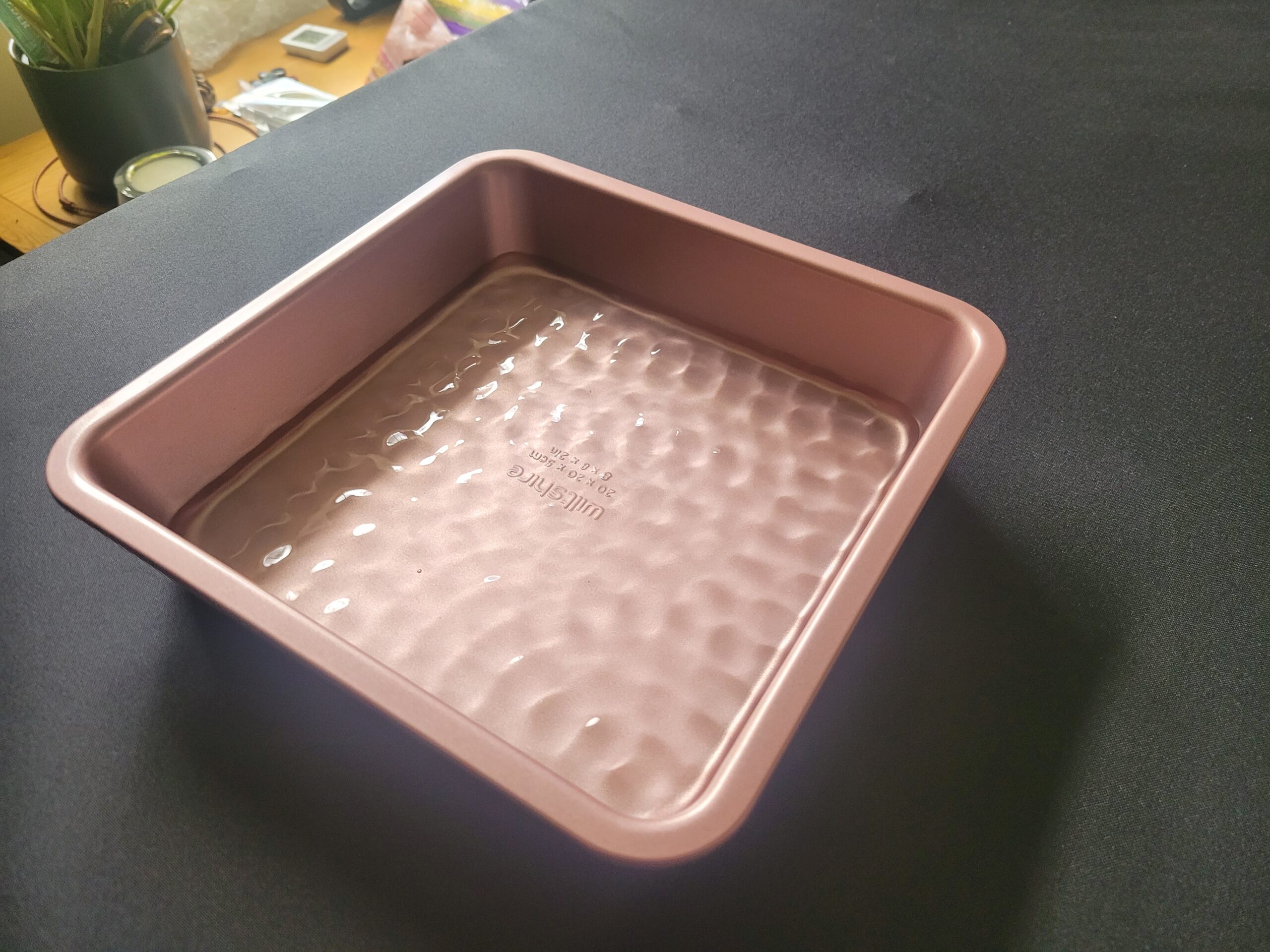
Cymatics is the study of how sound waves create patterns in physical materials—like sand, powders, liquids, or water. When a surface vibrates at a particular frequency, particles move away from areas of high motion and settle into stable shapes called standing-wave patterns. Change the frequency and the pattern changes too.
This isn’t a belief system—it’s a measurable phenomenon that’s been demonstrated for decades in laboratory and studio setups. One of the best-known bodies of work in cymatics is from Hans Jenny, who documented how vibration forms striking geometries across different materials. (Cymaticsource)
Cymatic sound healing (as the term is commonly used today) usually refers to applying the principles of cymatics to wellness: using audible sound and/or tactile vibration to help people feel calmer, more centered, more embodied, and more “coherent.”
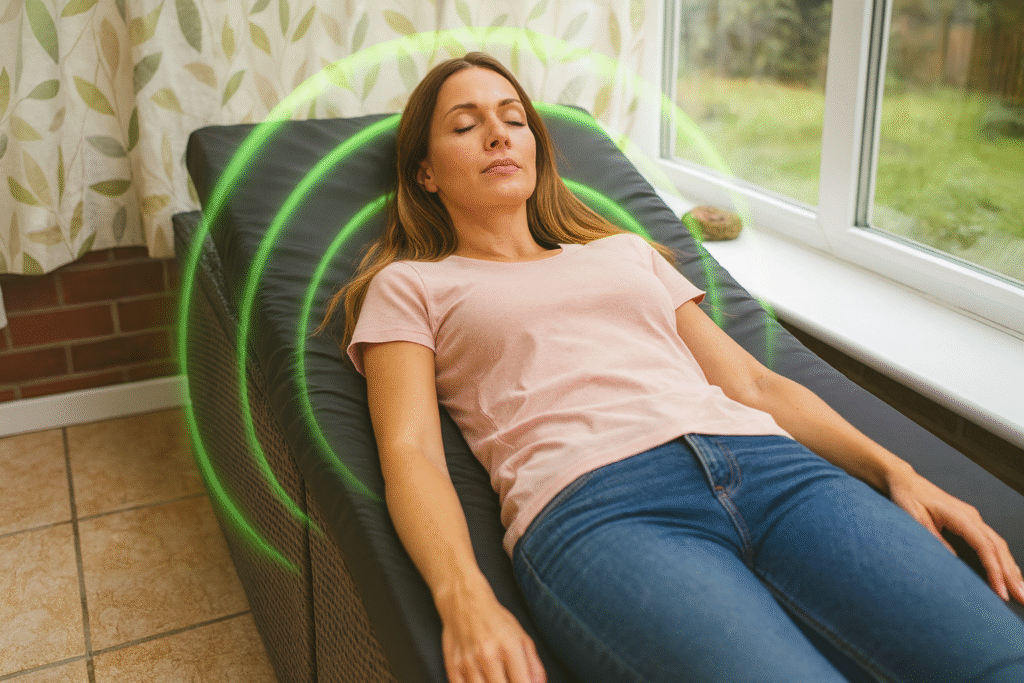
Important note: cymatic sound healing isn’t one standardized medical treatment. It’s an umbrella term that can include multiple approaches—especially vibroacoustic therapy, where low-frequency vibration is delivered through a chair, bed, or handheld transducer that you can physically feel. (PMC)
Why cymatics fascinates the human mind (and the nervous system)
There’s a reason cymatics goes viral online: it shows something we sense intuitively—that vibration organizes.
When you watch vibration form symmetrical patterns, a deeper message lands in the body: maybe harmony is something you can tune back into.
From a wellness perspective, sound and vibration often support people in three big ways:
- Nervous system settling – rhythmic vibration and sound can be experienced as soothing and regulating.
- Embodiment – vibration brings attention out of mental chatter and into physical sensation.
- Meditation support – steady sound can make it easier to enter calmer states.
Those experiences are common across many sound-based practices, from drumming to bowls to guided sound meditations.

Cymatic sound healing vs. sound baths: what’s the difference?
A sound bath is usually auditory: you’re listening.
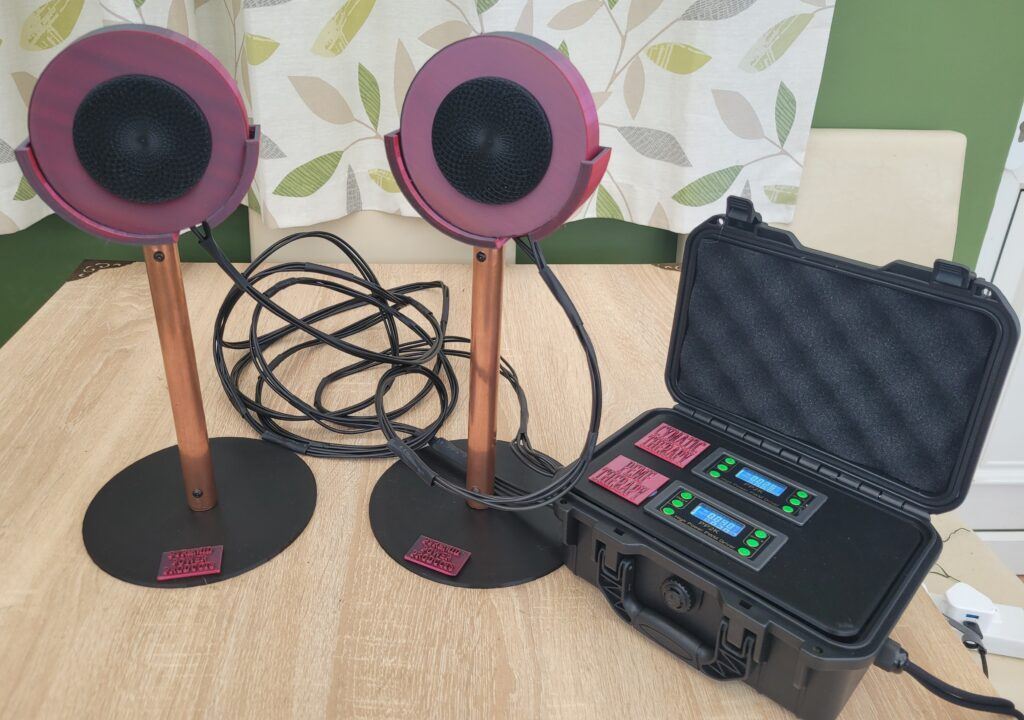
Cymatic-style sound healing often emphasizes vibration you can feel (tactile sound), especially through a transducer, resonant plate, or handheld device.
A helpful way to think of it:
- Sound healing (auditory): the ears and brain perceive sound → mood, attention, relaxation shift
- Cymatic/vibroacoustic (tactile): the body feels vibration → muscles, fascia, breathing patterns, and nervous system can respond
Many people love the tactile approach because it feels direct and grounding.
What does research say about sound-and-vibration therapies?
Let’s be honest and balanced here. “Cymatics” itself (the visible patterns in sand/water) is well-established as a physical phenomenon. The wellness question is different:
Do sound and vibration therapies help people feel better in measurable ways?
Research in related areas suggests potential, especially for stress, pain perception, and relaxation—while also emphasizing that more high-quality studies are needed depending on the exact method.
Vibroacoustic therapy and pain/stress
A review of vibroacoustic therapy (VAT) literature notes that evidence is still developing and that more robust randomized controlled trials are needed—while also documenting the growing use of low-frequency vibration in pain-related contexts. (PMC)
There are also controlled trials exploring rhythmic vibroacoustic stimulation for fibromyalgia symptoms, suggesting promising early findings (preliminary evidence) while still needing replication. (PMC)
And older clinical research has investigated low-frequency sound stimulation approaches in fibromyalgia populations as well. (PMC)
Music and sound-based interventions for wellbeing
Broader “sound-based” research (music therapy and structured listening interventions) has a larger evidence base. For example, a 2024 scoping review discusses music as a strategy used in chronic pain contexts. (PMC)
More recent systematic reviews also report beneficial effects of music therapy on outcomes like anxiety and depression symptoms in certain settings (depending on population and protocol). (PMC)
Bottom line: The strongest evidence today tends to be for sound/music interventions and vibroacoustic-style vibration supporting relaxation and quality-of-life outcomes in some contexts—not “instant cures,” and not a replacement for medical care. But enough people feel meaningful effects that the field continues to grow and attract research interest.
How cymatic sound healing may feel (common experiences)
People describe cymatic/vibroacoustic sessions in surprisingly similar language:
- “My breathing slowed down without me trying.”
- “It felt like the vibration untangled tension.”
- “I dropped into meditation more easily.”
- “I felt grounded and clear after.”
These are subjective experiences—and they matter—especially when we’re talking about stress regulation and wellbeing.
How cymatic sound healing is used in modern practice
Here are common ways practitioners and home users explore cymatic sound healing:
1) Sound baths + visualization
Listening to harmonic instruments while visualizing vibration creating order in the body—very gentle, very accessible.
2) Tuning forks or resonance tools
These focus vibration into small areas (often used in relaxation and bodywork settings).
3) Vibroacoustic sessions
Using a chair/bed/platform that delivers low-frequency vibration through the body. This is one of the most “cymatic-feeling” approaches because you’re literally feeling waves move through tissue. (PMC)
4) Water-resonance and “structured water” rituals
Because cymatics is so visually tied to water patterns, many people enjoy playing tones near water (or using transducers) as part of intention-based hydration rituals. (This is more experiential/spiritual than clinically established—worth treating as a personal practice rather than a medical claim.)
Safety: how to explore sound healing wisely
Cymatic sound healing is usually gentle, but “gentle” doesn’t mean “one-size-fits-all.” Practical precautions:
- Start low and slow: especially with low-frequency vibration.
- Avoid discomfort: if it feels agitating, intense, or headache-inducing, reduce intensity or stop.
- Medical implants & special conditions: if you have implanted devices or medical conditions that make vibration/electromagnetic tools a concern, consult a clinician before using device-based therapies.
- It’s not a substitute for medical care: sound/vibration can be supportive, but don’t delay diagnosis or treatment.
How to build a cymatic sound healing routine at home (simple and realistic)
If your goal is calm, clarity, and energetic balance, you don’t need complicated protocols. Try this:
- Set a 10–15 minute window (consistency beats marathon sessions).
- Choose one sound source (singing bowl track, drone tone, gentle frequency music).
- Add breath + attention: inhale for 4, exhale for 6; feel vibration in the body.
- Hydrate afterwards (many people enjoy water as part of the ritual).
- Journal one line: “Before / After” mood and body sensations.
Over time, you’ll learn what your nervous system responds to.
Internal links to add on Pyramid Power Products
To strengthen SEO (and help readers naturally continue their journey), weave these internal links into your article:
- Learn the foundations of cymatic therapy here: Cymatic Therapy Benefits: How Sound, Frequency, and Vibration Support Holistic Healing (Pyramid Power Products)
- New to PEMF and frequency wellness? Start here: What Is PEMF? The Complete Guide (Pyramid Power Products)
- Explore full-body frequency immersion: Frequency Healing Bed: Unlocking the Power of PEMF (Pyramid Power Products)
Tip: Link these using natural anchor text (not “click here”). Google likes contextual relevance.
External evidence links to include (supporting reading)
Here are credible sources you can cite as “supporting evidence” for sound/vibration-based wellness (without over-claiming):
- Hans Jenny’s cymatics work (background on cymatics as a field): Cymatics (Hans Jenny) (Cymaticsource)
- Review of vibroacoustic therapy in adults experiencing pain (notes promise + need for more RCTs): PMC article (PMC)
- Randomized controlled trial on rhythmic vibroacoustic stimulation and fibromyalgia (preliminary evidence): PMC article (PMC)
- Low-frequency sound stimulation research in fibromyalgia: PMC article (PMC)
- Vibroacoustic sound massage and stress markers (recent study): Sensors (MDPI) paper (MDPI)
FAQ (for SEO)
Is cymatic sound healing the same as cymatics?
Cymatics is the science of visible vibration patterns in matter. Cymatic sound healing is a wellness term that applies those principles—often through vibration you can feel—toward relaxation and balance. (Cymaticsource)
Does cymatic sound healing work?
Many people report benefits like relaxation and better meditation. Research on related approaches like vibroacoustic therapy and music/sound interventions suggests potential benefits for some outcomes, but the strength of evidence varies by method and more research is still needed. (PMC)
How often should you do sound healing?
A simple, sustainable routine is 10–20 minutes, 3–5 times per week. The “best” schedule is the one you’ll actually keep—and that feels calming rather than overstimulating.
Can sound healing replace medical treatment?
No. It can be a supportive wellness practice, but it shouldn’t replace diagnosis or treatment from qualified healthcare professionals.
Final thoughts: cymatic sound healing is about coherence
At its best, cymatic sound healing isn’t about hype. It’s about coherence—the feeling that your breath, mind, body, and energy are finally “speaking the same language.”
Cymatics reminds us of something deeply hopeful: when vibration becomes harmonious, order appears.
And whether you approach it scientifically, spiritually, or somewhere in between, that idea alone can be profoundly healing.