Introduction
Tinnitus — often described as a persistent ringing, buzzing, or humming in the ears — affects millions worldwide. For some, it’s a mild annoyance. For others, it’s a life-altering condition that disrupts sleep, concentration, and emotional well-being.
Standard treatments often provide limited relief, leading many sufferers to ask: “Is there a better way? Can PEMF help tinnitus?”
The answer may be yes. Pulsed Electromagnetic Field (PEMF) therapy is emerging as a promising, non-invasive treatment for tinnitus. While research is ongoing, early results and anecdotal reports suggest that PEMF can help calm nerve hyperactivity, improve circulation, and reduce the severity of tinnitus symptoms.
What Causes Tinnitus?
Before diving into PEMF, it’s important to understand why tinnitus occurs. Common causes include:
- Noise-induced hearing damage (musicians, factory workers, soldiers)
- Age-related hearing loss
- Circulatory problems around the inner ear
- Stress and nervous system imbalance
- Head or neck trauma
- Medication side effects (e.g., ototoxic drugs)
At its core, tinnitus often results from overactive neurons in the auditory system combined with reduced blood flow or inflammation in the inner ear.

Is PEMF Good for Tinnitus?
So, is PEMF good for tinnitus? Early studies suggest it could be.
PEMF works by delivering low-frequency magnetic pulses into the body, which:
- Calm overactive nerves — tinnitus often involves hyperactive neurons firing without sound input. PEMF helps “reset” this imbalance.
- Improve microcirculation — better blood flow means more oxygen and nutrients to the inner ear.
- Reduce inflammation — chronic irritation in auditory pathways contributes to tinnitus. PEMF has anti-inflammatory effects.
- Promote relaxation & sleep — poor sleep worsens tinnitus perception; PEMF can restore natural circadian rhythms.
📌 Study Highlight: A clinical trial published in Clinical Neurophysiology found that low-frequency magnetic stimulation reduced tinnitus loudness and improved patient-reported outcomes (PubMed).
While not yet a guaranteed cure, PEMF is showing promise as a drug-free, side-effect-free therapy for tinnitus sufferers.
What Is the New Treatment for Tinnitus?
Currently, no universal cure for tinnitus exists. However, several new and emerging treatments are being explored:
- Sound therapy & masking devices — playing background noise to distract from ringing
- Cognitive Behavioral Therapy (CBT) — retrains the brain to perceive tinnitus less negatively
- Neuromodulation (rTMS, tDCS, PEMF) — using electromagnetic stimulation to calm hyperactive brain activity
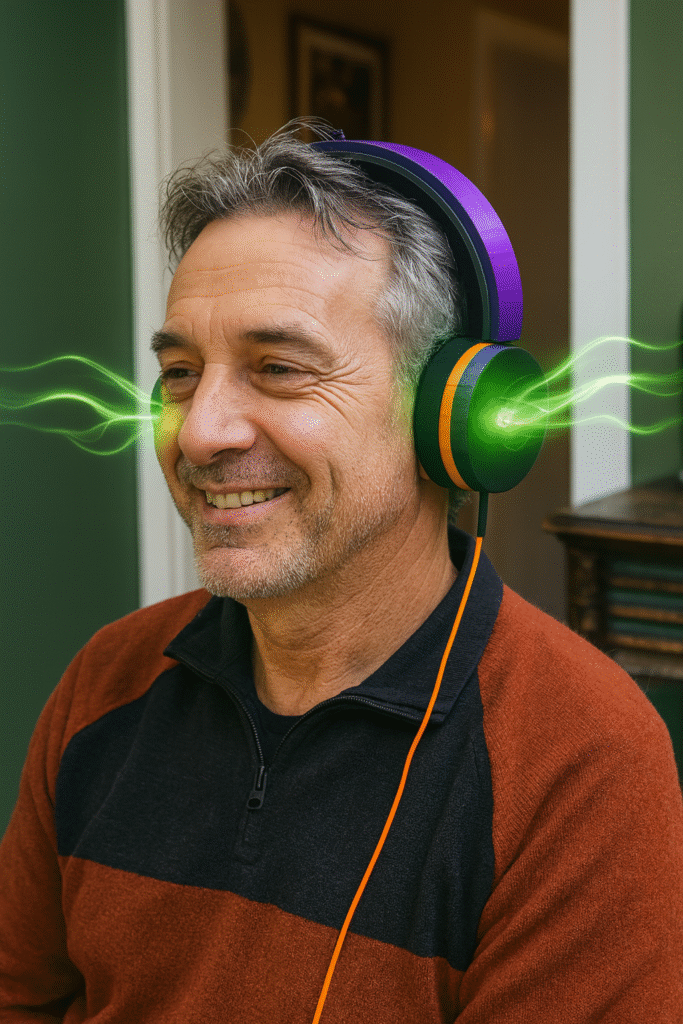
- PEMF headsets — portable devices delivering low-frequency therapy directly around the auditory system
Among these, PEMF stands out as a new treatment option because it is:
- Non-invasive
- Portable (headset designs)
- Usable at home
- Supportive for overall brain and nervous system health
What Is the Best Therapy for Tinnitus?
The best therapy for tinnitus depends on the individual’s cause and severity. However, most effective plans combine:
- Lifestyle adjustments (avoiding loud noise, reducing caffeine/alcohol, stress management)
- Cognitive training or therapy (to reduce the distress caused by tinnitus)
- Sound enrichment (white noise machines, background sound)
- Electromagnetic therapies like PEMF
For many, PEMF therapy through headsets is becoming a leading choice. Unlike masking or distraction, PEMF addresses underlying cellular and neural imbalances that contribute to tinnitus.
How PEMF Headsets Work for Tinnitus
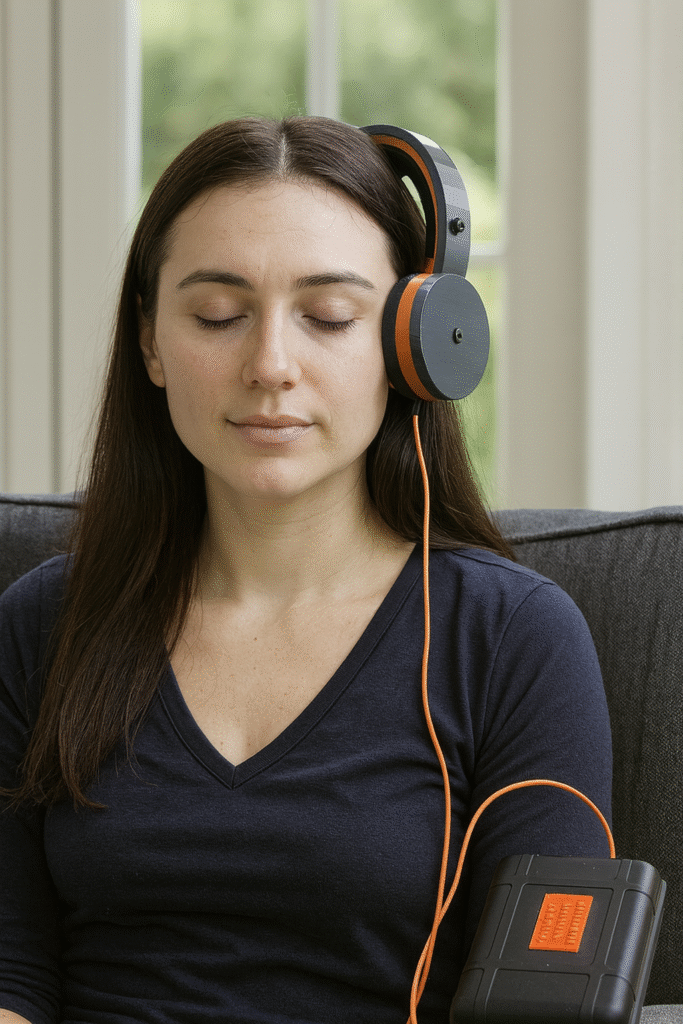
PEMF can be delivered through mats, coils, or wands, but for tinnitus relief, PEMF headsets are ideal because:
- 🎯 They target the head and ear region directly, where tinnitus originates.
- 🧠 They influence auditory neural circuits, calming overactive activity.
- 💆♂️ They encourage whole-brain relaxation, helping reduce stress-driven tinnitus flare-ups.
- ⏰ Sessions are short — typically 10–20 minutes.
- 👜 They’re portable and discreet, perfect for daily use.
Imagine putting on a comfortable headset, pressing start, and feeling calming magnetic pulses helping to quiet the ringing in your ears.
PEMF Frequency for Tinnitus Relief
A common question is: What PEMF frequency is best for tinnitus?
While research is ongoing, practitioners and device makers suggest the following ranges:
| Frequency (Hz) | Potential Use | Duration |
|---|---|---|
| 1–3 Hz | Deep relaxation, reduces nervous tension | 10–20 mins |
| 7–8 Hz | Stress relief, balancing brain waves | 15–20 mins |
| 10 Hz | General wellness, neural balance | 10–15 mins |
| 15 Hz | Muscle & neck tension (common tinnitus trigger) | 15–20 mins |
| 40 Hz | Cognitive clarity, neurological modulation | 10–15 mins |
| 100 Hz | Circulation boost to auditory pathways | 15–20 mins |
👉 Consistency matters: use PEMF daily for prevention and at the first sign of tinnitus flare-ups for best results.
Real-World Experiences
- Maria, 47: “After months of struggling with ringing in my ears, using a PEMF headset has brought real relief. The noise is quieter, and I sleep better.”
- James, 55: “I combine PEMF sessions with relaxation breathing. The buzzing in my ears is less intrusive, and I feel calmer overall.”
- Lena, 38: “I was skeptical, but after 6 weeks of daily use, my tinnitus attacks have reduced dramatically.”
These testimonials align with clinical findings: PEMF doesn’t just mask tinnitus — it addresses the nervous system imbalances that fuel it.
Safety of PEMF for Tinnitus
PEMF is considered safe, with minimal side effects. Avoid use if you:
- Have a pacemaker or electronic implant
- Are pregnant
- Have uncontrolled epilepsy
- Have active bleeding disorders
For most, PEMF headsets are gentle, well-tolerated, and supportive of whole-brain health.
Conclusion
So, can PEMF help tinnitus? The evidence suggests it can. By calming hyperactive neurons, improving blood flow, and reducing inflammation, PEMF offers a promising, drug-free solution for tinnitus sufferers.
To recap:
- Is PEMF good for tinnitus? Yes, research and user reports show measurable improvements.
- What is the new treatment for tinnitus? PEMF headsets are among the most exciting innovations.
- What is the best therapy for tinnitus? A combined approach — lifestyle changes, sound enrichment, and PEMF headsets — is most effective.
👉 If you’re seeking a natural, non-invasive way to manage tinnitus and improve quality of life, PEMF headsets may be the breakthrough solution you’ve been waiting for.
SEO FAQ Section
Q: Can PEMF help tinnitus?
Yes, PEMF may reduce tinnitus intensity and frequency by calming overactive neurons, improving circulation, and reducing inflammation in auditory pathways.
Q: Is PEMF good for tinnitus?
Yes, PEMF is showing promise as a safe, non-invasive therapy for tinnitus management, especially when applied through headsets.
Q: What is the new treatment for tinnitus?
PEMF therapy, especially portable headsets, is one of the newest and most innovative treatments under investigation.
Q: What is the best therapy for tinnitus?
The best therapy is a multimodal approach: sound therapy, lifestyle changes, cognitive training, and PEMF headsets for direct neurological support.