
PEMF Headset: The Complete, Science-Backed Guide (2025)
Looking for a clear, credible explainer on PEMF headsets? You’re in the right place. This guide cuts through marketing hype and shows what a PEMF headset is, how it works, what the best evidence-based benefits are, how to use it safely, and how to choose a model that’s actually worth your money—with direct links to peer-reviewed studies throughout.
What is a PEMF headset?
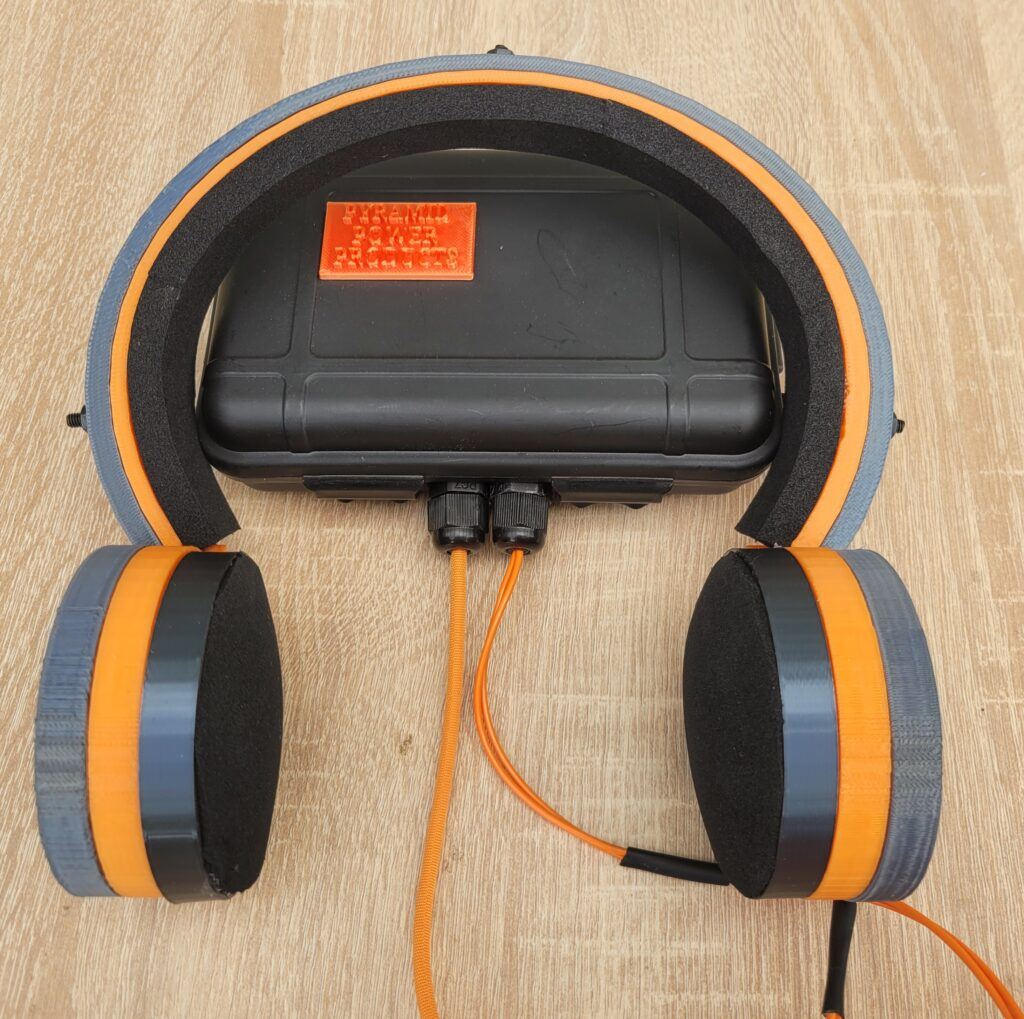
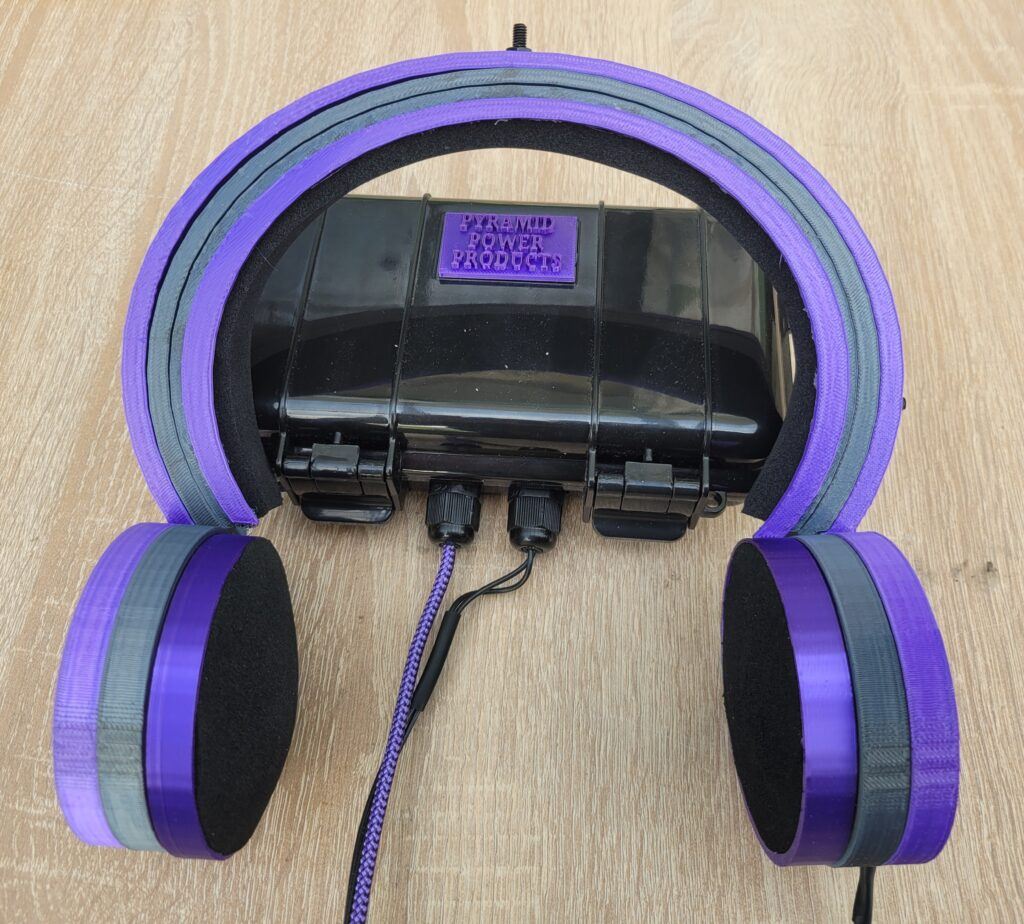
A PEMF headset (often called T-PEMF when used on the head: transcranial pulsed electromagnetic fields) is a wearable device—typically a band, cap, or helmet with embedded coils—that emits low-intensity, low-frequency magnetic pulses around the scalp. Those pulses induce tiny electric fields in the underlying tissues, gently nudging cell signaling (they do not “zap” neurons like high-power rTMS). In clinical T-PEMF systems used in research, coils are placed over frontal, temporal, parietal, and occipital regions to deliver a whole-brain exposure at modest field strengths. One widely cited protocol uses bipolar square pulses (3 ms on, 12 ms off) at ~55 Hz, producing ~1.9 mT (≈19 gauss) close to the coil, with 30-minute sessions on weekdays for ~5 weeks.
Big picture: PEMF ≠ rTMS. rTMS is FDA-cleared for depression and uses strong magnetic pulses that directly trigger neuronal firing. PEMF headsets use far gentler fields to modulate biological pathways (inflammation, microcirculation, neuroplasticity) and are not FDA-cleared to treat psychiatric or neurologic diseases. (U.S. Food and Drug Administration)
What does the science say?
1) Depression (treatment-resistant): encouraging human trials
- A double-blind, sham-controlled randomized trial (5 weeks) found T-PEMF superior to sham as an augmentation to ongoing medication in treatment-resistant depression, with few and mild side effects.
- A multicenter, 8-week cohort in real clinics reported meaningful symptom reduction when T-PEMF was added to antidepressants. (PubMed)
- A 2025 real-world analysis likewise found that 8 weeks of T-PEMF augmentation reduced depressive symptoms and improved quality of life; exploratory data suggested some patients may benefit twice-daily vs once-daily (personalization matters). (Aalborg Universitets forskningsportal)
- An authoritative narrative review concludes that T-PEMF shows promise as an add-on for treatment-resistant depression (TRD). (PMC)
Mechanistic clue: recent work shows changes in brain activation during emotional/reward processing after T-PEMF in TRD—consistent with a neuromodulatory, plasticity-oriented effect rather than direct neuronal “firing.” (SpringerLink)
2) Post-concussion symptoms: early feasibility & signals
A pilot program (5 weeks, daily 30-min sessions) in persistent post-concussion syndrome reported good feasibility/tolerability with symptom improvements over follow-up; larger controlled trials are still needed. (PMC)
3) Parkinson’s disease (function): small controlled studies
In people with mild Parkinson’s, T-PEMF improved functional performance (e.g., chair-rise force development) versus placebo in a double-blind trial—suggesting potential for neural rehabilitation when disease burden is lower. (PLOS)
4) Sleep/insomnia: a head-applied PEMF system shows benefit
A multicenter, randomized, double-blind, placebo-controlled trial (2023) of a portable pulsed magnetic therapy system applied during sleep reported significant improvements in insomnia severity and sleep quality vs sham over 4 weeks. While not every commercial “headset” uses identical parameters, the result supports the plausibility of head-applied pulsed magnetic therapy for sleep complaints. (PMC, PubMed)
5) How could gentle magnetic pulses help? (Mechanisms)
Across laboratory and translational studies, low-frequency PEMF has been shown to:
- Up-regulate A2A/A3 adenosine receptors and dampen NF-κB/MAPK inflammatory signaling, shifting tissues toward an anti-inflammatory state. (PMC, MDPI)
- Influence microglia/astrocyte activity and reduce oxidative stress in neuronal models (a plausible neuroprotective rationale). (PMC, MDPI)
- Intersect with neuroplasticity pathways (e.g., BDNF), which are central to mood and cognitive resilience (indirect support from the depression literature). (Frontiers)
Bottom line: For the head, the best human evidence is in depression (as an adjunct) and insomnia, with early signals in post-concussion recovery and functional gains in mild Parkinson’s. Results depend on dose, placement, and consistency; larger confirmatory RCTs are still needed in several indications.
What a PEMF headset can (and cannot) reasonably do
Reasonable expectations (with consistent use)
- Mood support in difficult-to-treat depression when added to medication (5–8 weeks). Not a stand-alone cure; think adjunct to care. (PMC)
- Better sleep continuity/insomnia scores for some users over ~4 weeks of night-time use. (PMC)
- Support recovery after concussion (tolerable, promising), pending larger controlled trials. (PMC)
- Functional boosts in select neurological contexts (e.g., early PD motor performance). (PLOS)
What not to expect
- Instant results after one session. Most benefits emerge over weeks, not hours.
- Regulatory clearance to treat diseases like depression in the U.S. does not exist for PEMF headsets; rTMS is the cleared neuromodulation therapy for MDD. (In the EU, a T-PEMF system obtained EU MDR approval in 2024; this is not the same as U.S. FDA clearance.) (U.S. Food and Drug Administration, re5.com)
Safety, contraindications, and common-sense use
- Implanted electronic devices (pacemaker/ICD, deep brain stimulators, etc.): avoid unless you have explicit clearance from your specialist. Major cardiac device makers warn that external magnetic fields can cause electromagnetic interference; keep magnets/strong fields away from implants. (www.bostonscientific.com, cardiovascular.abbott)
- Pregnancy, active bleeding, epilepsy, or very recent cranial surgery: consult your clinician first; most trials excluded these groups.
- Side effects in T-PEMF depression trials were few and mild (e.g., transient headache). Stop if you experience unusual symptoms and speak to a professional.
How to use a PEMF headset (evidence-informed plan)
Weeks 1–2 (getting started)
- Session length: 20–30 minutes.
- Schedule: Once daily (most studies: weekdays), or at bedtime if your target is sleep.
- Intensity/program: Low-to-moderate default program per the device manual.
Weeks 3–8 (therapeutic window)
- Stay at 30 minutes/day (or your device’s standard session).
- Consistency beats intensity. Trials showing benefits ran 5–8 weeks of regular use. (PubMed)
Beyond 8 weeks (maintenance)
- Taper to 3–5 sessions/week if you’ve hit your goals; return to daily use during stressful periods.
- Some exploratory data suggest that twice-daily dosing could benefit specific symptom clusters—work with a clinician if you’re targeting TRD. (Aalborg Universitets forskningsportal)
Tip: Pair with foundations that also lift neuroplasticity—sleep hygiene, exercise, sunlight, nutrition—to stack small gains.
Choosing a PEMF headset: what actually matters
- Transparent technical specs
Look for flux density near the scalp (gauss/mT), pulse frequency (Hz), pulse width/duty cycle, coil layout, and session timing. Research-grade T-PEMF commonly uses ~55 Hz pulse trains, millisecond pulses, and mT-range near the coil—much gentler than rTMS. - Evidence and claims
- Medical claims: If a company claims to treat depression (or any disease) in the U.S., ask for the FDA 510(k)/De Novo number. At present, rTMS—not PEMF headsets—has U.S. clearance for MDD. (U.S. Food and Drug Administration)
- EU context: A T-PEMF system (Re5) reports EU MDR approval (2024), which is not equivalent to U.S. clearance. (re5.com)
- Safety testing and build
Seek IEC 60601 electrical safety/EMC compliance, overheating protection, and wipeable hygienic materials for skin contact. - Ergonomics that encourage daily use
A headset you’ll actually wear comfortably for 30 minutes wins over a bulky unit with complicated menus. - Support & warranty
A 30–60 day return policy and responsive support reduce adoption risk.
FAQs
Is a PEMF headset the same as rTMS?
No. rTMS uses strong, rapidly pulsed magnetic fields to directly depolarize cortical neurons and is FDA-cleared for MDD. PEMF headsets use low-intensity pulses aiming to modulate signaling (inflammation, microcirculation, plasticity) and are not FDA-cleared to treat depression in the U.S. (U.S. Food and Drug Administration)
How long before I feel anything?
Studies suggest 2–5 weeks for measurable changes, with continued gains through week 8 in augmentation settings. Sleep improvements in the insomnia RCT appeared within the 4-week treatment window. (PMC)
What settings should I look for?
There is no single “magic” frequency. A sensible evidence-adjacent range is millisecond pulses delivered in the tens of Hz with mT-range fields at the coil—similar to research protocols. Consistency and tolerability matter more than chasing intensity.
Can I use it if I have a pacemaker or implanted neurostimulator?
Don’t—unless your specialist explicitly clears it. Manufacturers of cardiac devices warn that external magnetic fields can cause EMI. Safety first. (www.bostonscientific.com, cardiovascular.abbott)
The evidence at a glance (selected studies)
- Depression (TRD), double-blind RCT: T-PEMF superior to sham, few mild AEs; 5 weeks of weekday sessions via seven-coil helmet; pulses 3 ms/12 ms, ~55 Hz, ~1.9 mT near coil.
- Depression (augmentation), multicenter cohort: 8 weeks T-PEMF + meds improved symptoms in real clinics. (PubMed)
- Depression (real-world 2025): 8-week augmentation lowered symptoms; hints that twice-daily dosing may help certain profiles. (Aalborg Universitets forskningsportal)
- Insomnia RCT (2023): Portable pulsed magnetic therapy improved ISI scores and sleep quality vs sham over 4 weeks. (PMC)
- Post-concussion pilot: Feasible, well-tolerated, with symptom improvements over follow-up; larger RCTs needed. (PMC)
- Parkinson’s (double-blind): Functional chair-rise performance improved in less-affected patients vs placebo. (PLOS)
- Mechanisms: Reviews show anti-inflammatory (A2A/A3 adenosine, NF-κB/MAPK), microglial modulation, and neuroprotective/oxidative-stress effects—biological pathways consistent with patient-reported benefits. (PMC, MDPI)
A practical 8-week starter plan (copy/paste)
Goal: Real-world, evidence-aligned use that mirrors published protocols while staying consumer-friendly.
- Weeks 1–2:
- Once daily, 20–30 minutes, preferably at a consistent time.
- If targeting sleep, use within 1–2 hours of bedtime.
- Track: sleep onset, awakenings, mood, headaches, energy.
- Weeks 3–5:
- 30 minutes daily (e.g., weekdays).
- For mood/energy goals, pair with exercise and daylight to support BDNF-driven plasticity.
- Weeks 6–8:
- Continue daily; if partial response only, consider two shorter sessions/day (e.g., morning + evening) if your device supports it and you tolerate it well—then reassess. (Aalborg Universitets forskningsportal)
- After week 8:
- If you’ve improved, step down to 3–5 sessions/week or keep daily use during high-stress periods.
- If you haven’t improved, review fundamentals (sleep, meds, therapy) with your clinician and reconsider whether the headset is right for your goals.
Regulatory reality check
- United States: rTMS is cleared for MDD; PEMF headsets are not FDA-cleared to treat psychiatric/neurologic diseases. (Some PEMF products are cleared under other device categories—e.g., musculoskeletal wraps—but that does not confer brain indications.) (U.S. Food and Drug Administration, FDA Access Data)
- Europe: A T-PEMF system announced EU MDR approval (2024) for depression treatment pathways; this is distinct from FDA clearance. (re5.com)
The take-home
- PEMF headsets deliver gentle, low-frequency magnetic pulses to the head.
- Best-supported human benefits: adjunctive help in treatment-resistant depression and insomnia, with early evidence in post-concussion symptoms and functional gains in mild Parkinson’s. They are not a substitute for medical care, and claims to treat diseases should be backed by regulatory clearance or robust RCTs. (PMC)
- Safety: Avoid with implants unless cleared; prioritize devices with transparent specs and safety testing. (www.bostonscientific.com, cardiovascular.abbott)
- Success comes from consistency: most trials use daily sessions for 5–8 weeks. If you commit to that cadence—and pair with good sleep, movement, and nutrition—you give this modality its best chance to help.